Choosing a Commercial Restoration Specialist: 5 Mistakes to Avoid
September 15, 2024

Choosing a commercial restoration specialist can be a game-changer when disaster strikes.


Trust me, I've been there – and picking the right team makes all the difference.


Let's chat about how to find that perfect fit for your business restoration needs.


Choosing a Commercial Restoration Specialist: Your Guide to Getting It Right


Ever been hit with a disaster at your business? It's no joke.


Water damage, fire, mold - these things can knock you out of the game fast.


That's where a commercial restoration specialist comes in.


But how do you pick the right one? Let's break it down.


What's a Restoration Company, Anyway?


Think of them as the cleanup crew on steroids.


They handle the mess when things go south -
floods, fires, you name it.


These guys are the ones who get your home or
business back on its feet.


Why You Need a Pro in Your Corner


Experience matters. A lot.


Pros know how to tackle problems fast and effectively.


They've got the right tools and know-how to minimize damage.


Plus, they can deal with insurance companies. Trust me, that's a big win.


How These Guys Work with Your Insurance


Good restoration companies are like insurance whisperers.


They know the lingo, the paperwork, the whole nine yards.


They'll work directly with your insurance to make sure you're covered.


This saves you time, headaches, and potentially a lot of cash.


Picking the Right Restoration Company


Here's what to look for:


- 24/7 availability (because disasters don't clock out)

- Fast response times

- Proper licenses and certifications

- A solid reputation (check those reviews)

- Experience with your type of disaster

Why Victory RCS Stands Out


At Victory RCS, we're not just another restoration company.


We're your partners in
getting back to business ASAP.


Our team is on call 24/7, ready to tackle any disaster.


We've got the expertise to handle
water damage, fire cleanup, and mold remediation.


Plus, we know the ins and outs of working with insurance companies.


Real Talk: What Our Clients Say


"Victory RCS arrived very quickly and were able to minimize the water damage. I am so glad they were there to help. It really did make a difference!" - Gene, former Pastor at Victory Chapel


Stories like Pastor Gene’s are why we do what we do.


Wrapping It Up


Choosing a commercial restoration specialist is a big deal.


Get it right, and you'll bounce back from disaster faster than you thought possible.


Go with experience, reliability, and a team that's got your back.


That's what we offer at
Victory RCS.


When disaster strikes, you want a partner, not just a service provider.


FAQs


Q: How fast can you get to my business after a disaster?

A: We aim to be on-site within hours of your call, not days.


Q: Do you work directly with insurance companies?

A: Absolutely. We'll handle the paperwork and negotiations to make your life easier.


Q: What types of disasters can you handle?

A: We cover it all - water damage, fire cleanup, mold remediation, and more.


Q: Are your technicians certified?

A: You bet. Our team is fully certified and regularly trained on the latest restoration techniques.


Q: How do I prepare my business for potential disasters?

A: Great question. We offer pre-disaster planning services to help you be ready for anything.


Remember, when it comes to choosing a commercial restoration specialist, you're not just picking a service - you're choosing a partner to help you through tough times. Choose wisely, and you'll be back in business before you know it.
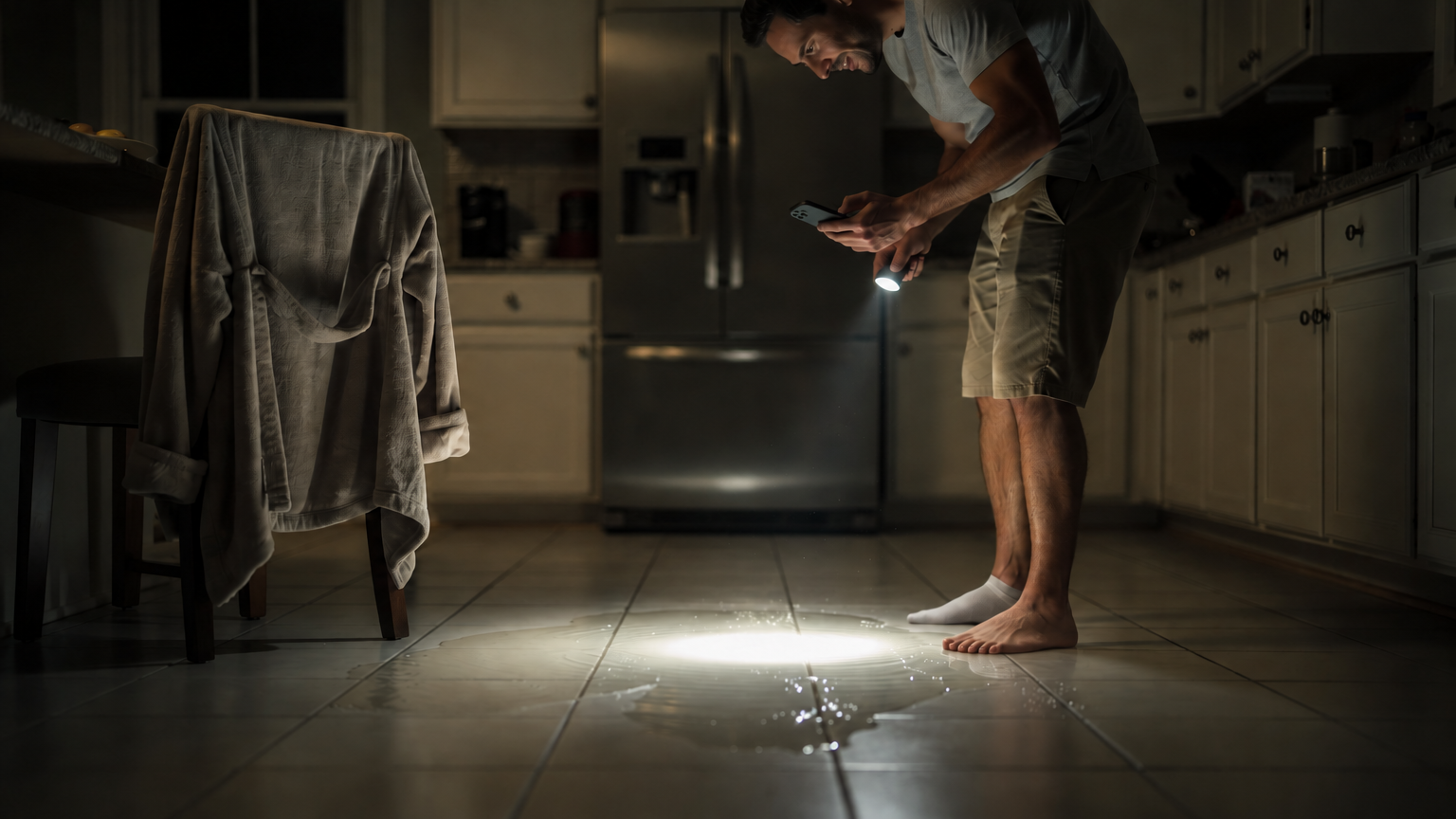
water puddling in kitchen floor with man standing with one sock looking at puddle with flashlight
October 26, 2026
Find out which water damage types standard homeowners policies usually cover, what to document, and how to file a claim after a leak or flood.
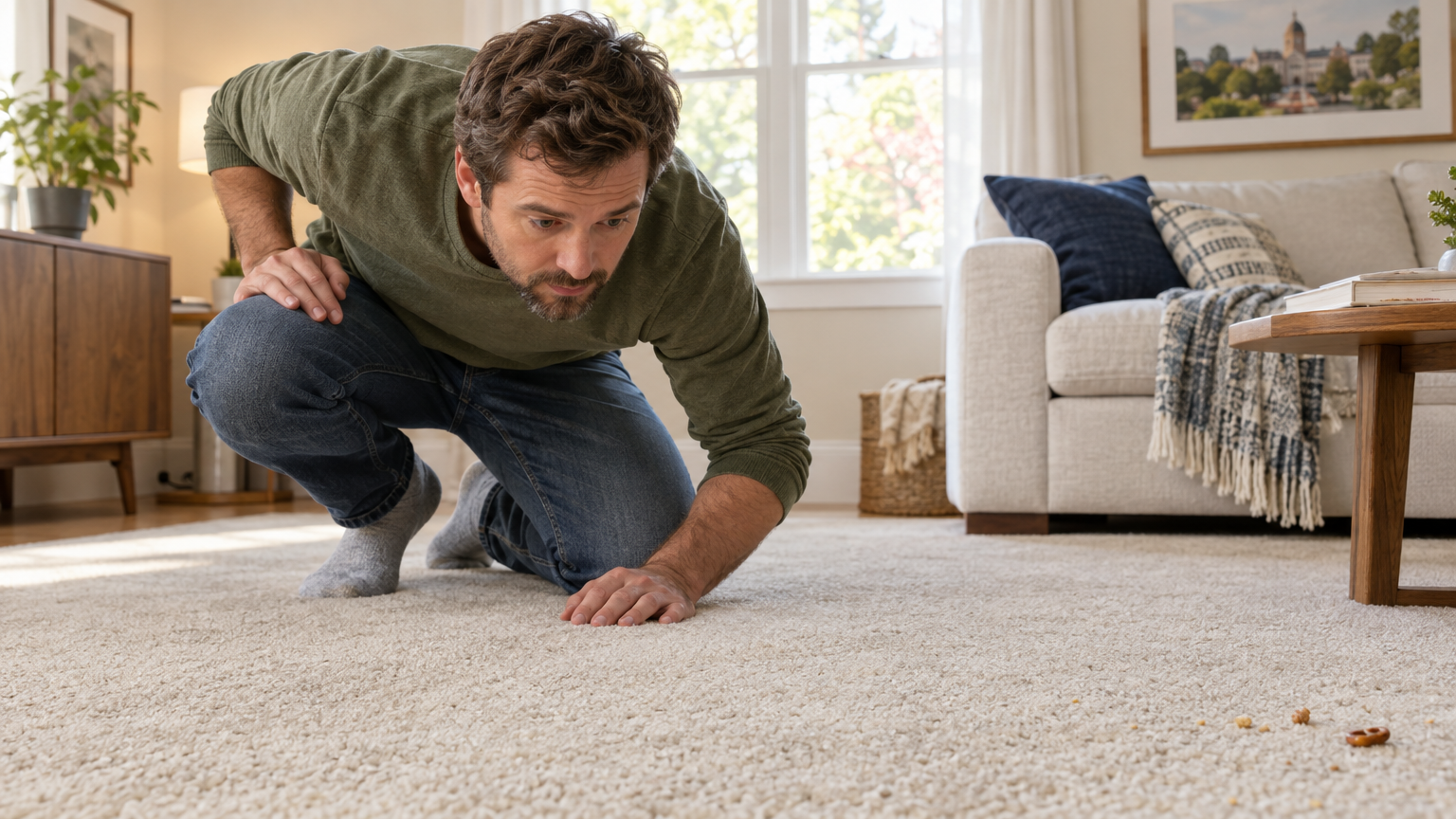
Man kneeling in a living room to inspect crumbs on carpet before professional carpet cleaning
October 8, 2026
Learn how to care for carpet between professional cleanings, respond to spills, and decide when it's time to call a carpet-cleaning professional in Athens, GA.
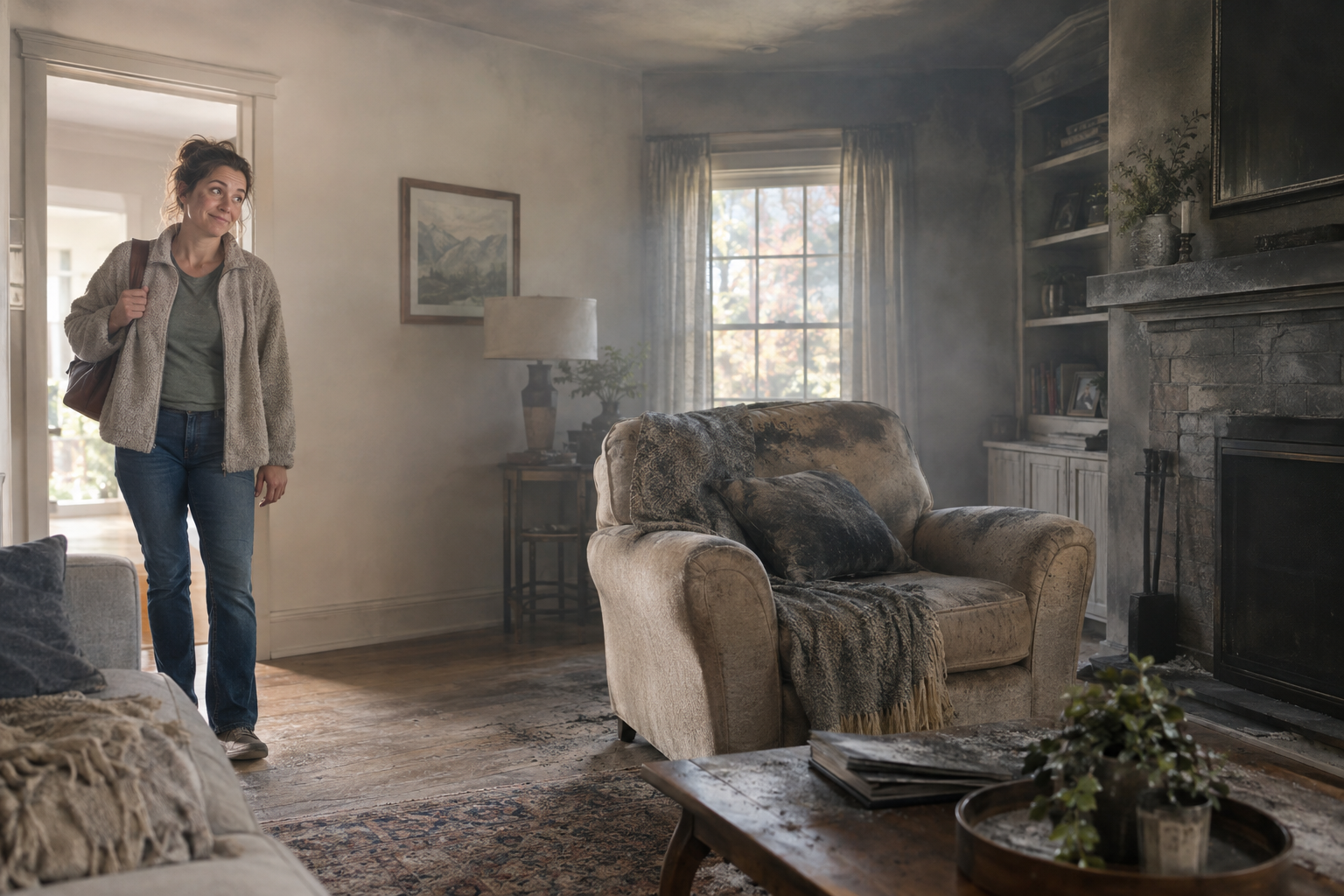
Homeowner pauses in a smoke-damaged living room, facing lingering soot and odor after a fire.
September 29, 2026
Smoke odor can linger after a fire is out. Learn why it persists, what homeowners can safely do, and when to call a restoration professional in Athens, GA.
flooding basement crawl-space moisture water damage
September 24, 2026
Prevent basement water damage in Athens, GA with this funny homeowner's guide: red flags, a DIY checklist, and when to call Victory RCS.
crawl space inspection moisture mold water
September 22, 2026
Learn how to spot crawl space moisture, standing water, musty odors, and mold risks in Athens, GA homes — and when to call Victory RCS for help.
water damage floor clean up with driers and mold prevention
September 15, 2026
Commercial water damage in Athens, GA? Learn why the first 24 hours decide your restoration cost, plus leak detection, structural drying & mold prevention tips.
Grill fire smoke damage restoration Labor Day
September 7, 2026
Labor Day cookouts and DIY projects cause more house fires, flooding, and mold than you'd think. Victory RCS covers what to do — and who to call.
smoke odor removal Athens GA
September 3, 2026
Need smoke damage cleanup in Athens, GA? Learn what to do after a fire, how to avoid spreading soot, and when to call Victory RCS for professional smoke and odor cleanup.
August 27, 2026
Athens, Georgia, in July is not so much a city as a large, leafy sauna that happens to have a football stadium in it. The humidity here is so committed to its job that by mid-summer your house can sit above 70 percent relative humidity for weeks at a stretch, according to the fine climate scientists at Peak Restoration, who I assume measured this with actual instruments and not just by standing outside and going "yep, soggy." The University of Georgia Extension Office, meanwhile, says your indoor humidity should stay under 60 percent, ideally between 30 and 50. That gap — between what Georgia air wants to do and what your drywall can survive — is where mold moves in, and it does not pay rent. This is a problem for mold in Athens, GA homes , and it is sneaky, because unlike, say, a raccoon in your attic, mold does not make noise or leave little raccoon business cards. It just quietly colonizes your bathroom ceiling while you're at a Georgia game, cheering, oblivious, drinking a beverage that is 90 percent condensation itself. Why Athens Homes Are Basically a Mold Timeshare Mold has two demands, and Athens meets both of them enthusiastically: moisture, and something organic to eat. Your house, unfortunately, is a five-star buffet of organic material — drywall paper, wood trim, that one cardboard box of tax documents from 2019 you keep meaning to shred. Add in Georgia's summer thunderstorms, the crawl space nobody has visited since the Clinton administration, and an air conditioner that spends all August sweating out condensation like it just ran a 5K, and you have got yourself a mold incubator with a mailing address. The 60 percent humidity rule isn't a suggestion from people who enjoy nagging you; it's the line past which airborne mold spores stop window-shopping and start signing a lease. 
August 25, 2026
There you are, minding your own business at 3 a.m., dreaming a perfectly nice dream about, let's say, tacos, when you hear it: a sound like the ocean has decided to relocate into your hallway. You stumble out of bed, step onto what should be carpet and is now technically a wading pool, and realize that a pipe somewhere behind your wall has apparently been training for this moment its entire life. Congratulations. You are now the proud, damp owner of a water damage situation. Maybe your version involves a washing machine that quietly staged a mutiny, a toilet that overflowed with more enthusiasm than any toilet should ever have, or a roof that let a thunderstorm know your attic has an open-door policy. Doesn't matter. Water, it turns out, is sneaky. It looks like it's just sitting there on your kitchen floor, minding its own business, but really it is quietly infiltrating your drywall, your flooring, your insulation, your cabinets, and your subfloor like a tiny, wet special-ops team with zero respect for your homeowner's insurance policy. This guide will walk you through exactly what to do in those critical first hours, how professional water damage restoration actually works, what you need to document for your insurance company, and — this part is important — when you should absolutely not try to handle this yourself with a mop, a prayer, and a box fan from 1987. Because here's the thing nobody tells you at orientation for adulthood: mold doesn't wait around. Materials that stay wet for as little as 24 to 48 hours can start growing it, according to the EPA, which is a group of people whose entire job is knowing things like this so you don't have to find out the hard way. If your home has active flooding or visible water damage right now, stop reading and contact Victory RCS for prompt water damage restoration assistance. The rest of this you can read with a towel in hand. What Is Water Damage Restoration, Anyway? Water damage restoration is the technical, professional way of saying "returning your house to the condition it was in before it decided to become an indoor swimming facility." It sounds simple. It is not simple. It involves three distinct phases, none of which is "point a fan at it and hope": Mitigation — stopping the water source and hauling out the standing water before it invites more of its friends over. Remediation — dealing with contamination, lingering moisture, and the ever-present threat of mold setting up a colony in your baseboards. Restoration — actually repairing or rebuilding what got damaged: drywall, flooring, trim, cabinetry, your will to live. Here's the part that trips people up: just because the puddle is gone doesn't mean the water is gone. Moisture is a master of hide-and-seek. It can be lurking behind your baseboards, under your flooring, or inside your walls, patiently waiting to become a much bigger, much smellier problem. That's why professional restoration starts with a proper inspection and assessment — someone actually checking where the water went, not just where it was originally spotted crime-scene-style on your floor. The bottom line: what happens in the first few hours after water damage determines pretty much everything that happens afterward. This is not a "deal with it eventually" situation. This is a "deal with it right now while wearing pants you don't mind getting wet" situation. Common Causes of Water Damage (Or: How Did We Get Here?) Knowing where your water came from matters, because clean water from a supply line behaves very differently than water that has recently been in contact with, say, a sewer. Here are the usual suspects for residential water damage: Burst or frozen pipes (a Southern winter favorite) Plumbing supply-line leaks Water heater failures Washing machine, dishwasher, refrigerator, or toilet overflows Roof leaks and wind-driven rain Foundation seepage and basement flooding Storm flooding and sewer backups And if you're running a business, you get your own special lineup of villains: Sprinkler system malfunctions Leaking plumbing in multi-unit buildings Roof drainage failures Equipment or appliance leaks One important distinction worth remembering: there's a big difference between "relatively clean water from a supply line" and "water that has recently associated with sewage or floated in off the street." One of these you can approach with mild annoyance. The other you should approach with a hazmat mentality and zero DIY heroics.