Water Damage Restoration: The Complete Homeowner’s Guide to Protecting Your Property After a Leak or Flood
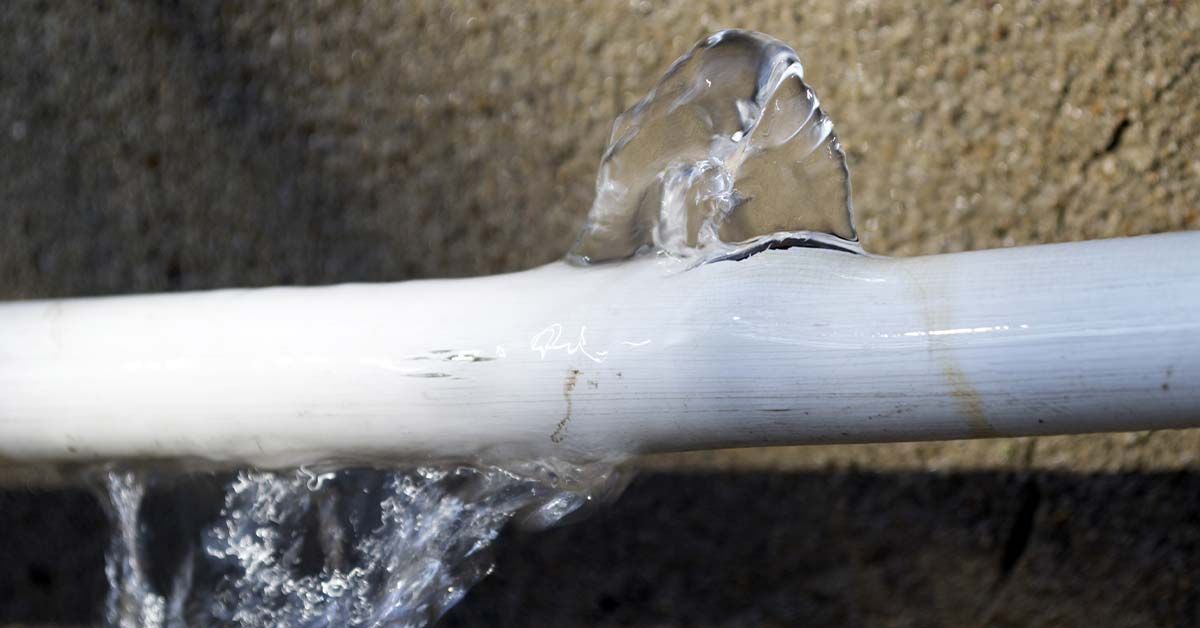
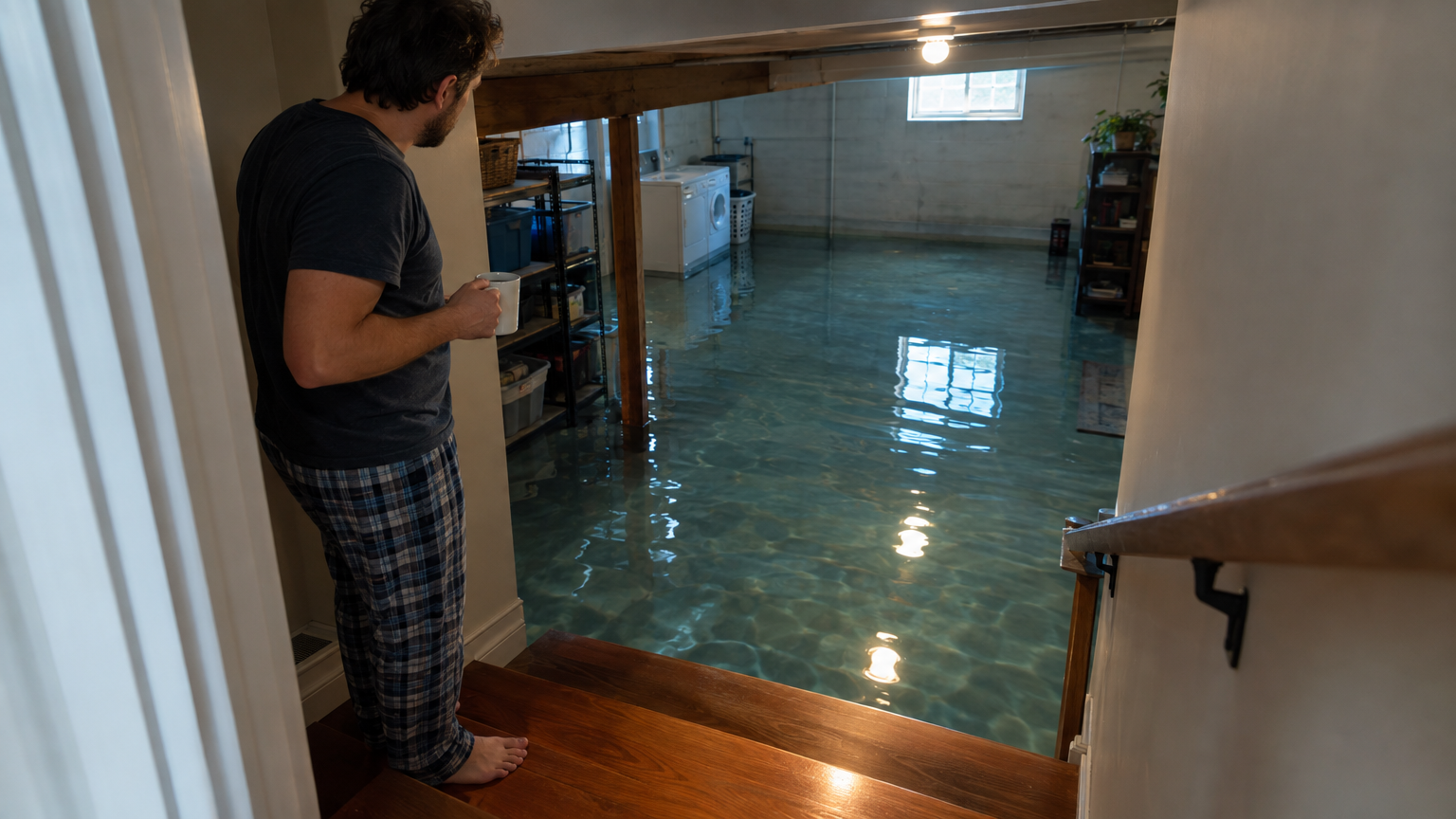
There you are, minding your own business at 3 a.m., dreaming a perfectly nice dream about, let's say, tacos, when you hear it: a sound like the ocean has decided to relocate into your hallway. You stumble out of bed, step onto what should be carpet and is now technically a wading pool, and realize that a pipe somewhere behind your wall has apparently been training for this moment its entire life.
Congratulations. You are now the proud, damp owner of a water damage situation.
Maybe your version involves a washing machine that quietly staged a mutiny, a toilet that overflowed with more enthusiasm than any toilet should ever have, or a roof that let a thunderstorm know your attic has an open-door policy. Doesn't matter. Water, it turns out, is sneaky. It looks like it's just sitting there on your kitchen floor, minding its own business, but really it is quietly infiltrating your drywall, your flooring, your insulation, your cabinets, and your subfloor like a tiny, wet special-ops team with zero respect for your homeowner's insurance policy.
This guide will walk you through exactly what to do in those critical first hours, how professional water damage restoration actually works, what you need to document for your insurance company, and — this part is important — when you should absolutely not try to handle this yourself with a mop, a prayer, and a box fan from 1987. Because here's the thing nobody tells you at orientation for adulthood: mold doesn't wait around. Materials that stay wet for as little as 24 to 48 hours can start growing it, according to the EPA, which is a group of people whose entire job is knowing things like this so you don't have to find out the hard way.
If your home has active flooding or visible water damage right now, stop reading and contact Victory RCS for prompt water damage restoration assistance. The rest of this you can read with a towel in hand.
What Is Water Damage Restoration, Anyway?
Water damage restoration is the technical, professional way of saying "returning your house to the condition it was in before it decided to become an indoor swimming facility." It sounds simple. It is not simple. It involves three distinct phases, none of which is "point a fan at it and hope":
- Mitigation — stopping the water source and hauling out the standing water before it invites more of its friends over.
- Remediation — dealing with contamination, lingering moisture, and the ever-present threat of mold setting up a colony in your baseboards.
- Restoration — actually repairing or rebuilding what got damaged: drywall, flooring, trim, cabinetry, your will to live.
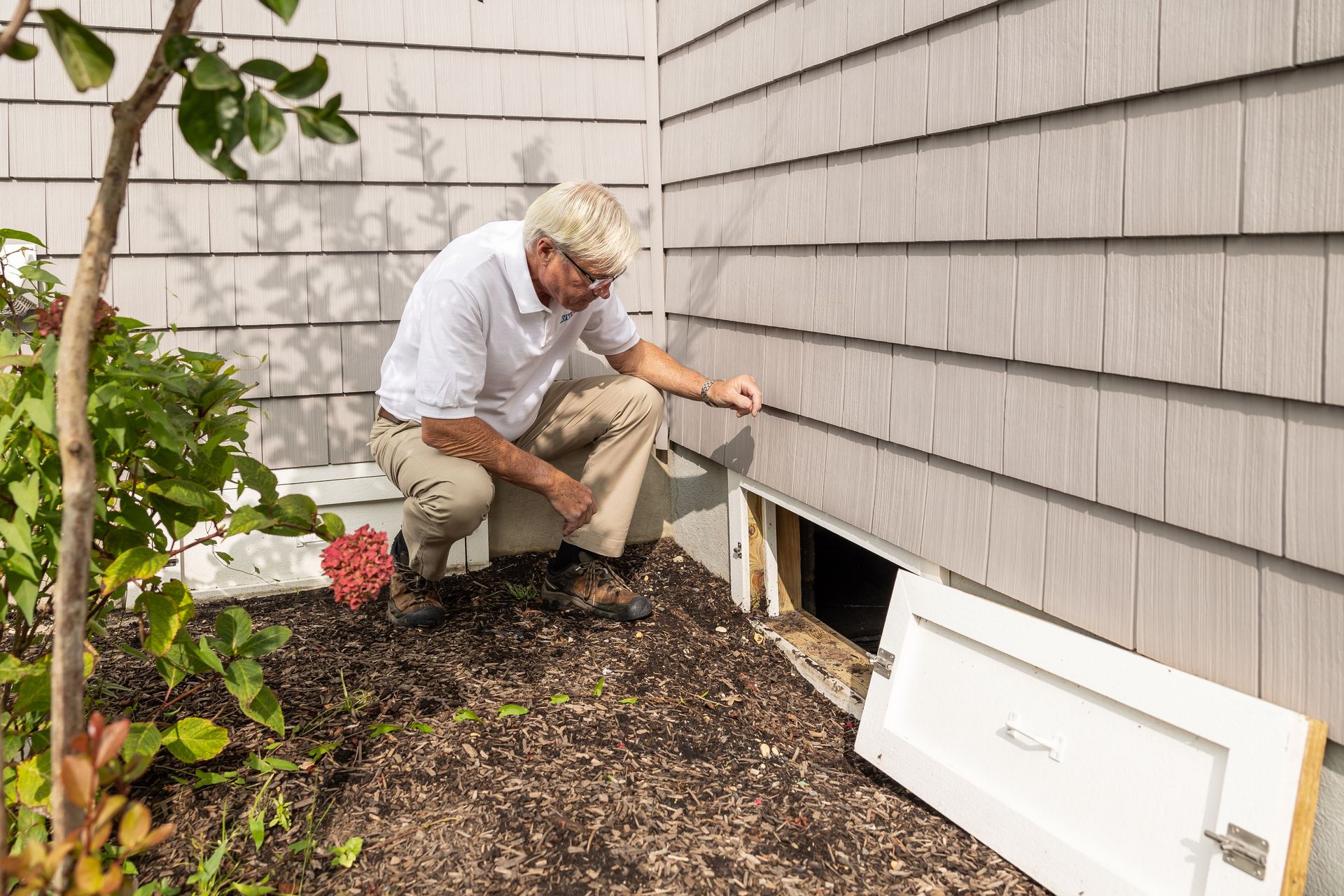
Here's the part that trips people up: just because the puddle is gone doesn't mean the water is gone. Moisture is a master of hide-and-seek. It can be lurking behind your baseboards, under your flooring, or inside your walls, patiently waiting to become a much bigger, much smellier problem. That's why professional restoration starts with a proper inspection and assessment — someone actually checking where the water went, not just where it was originally spotted crime-scene-style on your floor.
The bottom line: what happens in the first few hours after water damage determines pretty much everything that happens afterward. This is not a "deal with it eventually" situation. This is a "deal with it right now while wearing pants you don't mind getting wet" situation.
Common Causes of Water Damage (Or: How Did We Get Here?)
Knowing where your water came from matters, because clean water from a supply line behaves very differently than water that has recently been in contact with, say, a sewer. Here are the usual suspects for residential water damage:
- Burst or frozen pipes (a Southern winter favorite)
- Plumbing supply-line leaks
- Water heater failures
- Washing machine, dishwasher, refrigerator, or toilet overflows
- Roof leaks and wind-driven rain
- Foundation seepage and basement flooding
- Storm flooding and sewer backups
And if you're running a business, you get your own special lineup of villains:
- Sprinkler system malfunctions
- Leaking plumbing in multi-unit buildings
- Roof drainage failures
- Equipment or appliance leaks
One important distinction worth remembering: there's a big difference between "relatively clean water from a supply line" and "water that has recently associated with sewage or floated in off the street." One of these you can approach with mild annoyance. The other you should approach with a hazmat mentality and zero DIY heroics.
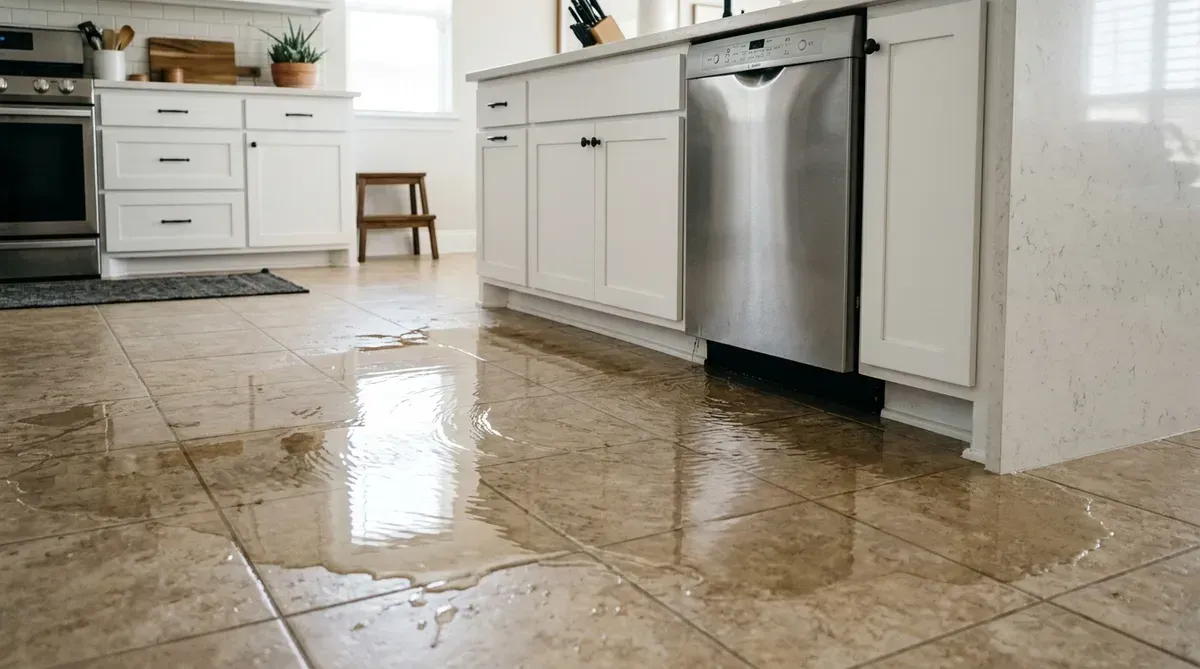
What to Do Immediately After Water Damage
This is the part where I stop making jokes about tacos and get serious for a minute, because what you do in the first hour genuinely matters.
- Prioritize safety before you go wading in. If there's standing water anywhere near outlets, wiring, or anything electrical, do not go in there like a hero in a disaster movie. If you smell gas or anything seems structurally sketchy, leave and call the appropriate emergency folks. Your curiosity is not worth your electrocution.
- Stop the water source, if it's safe to do so. Shut off the fixture valve, the appliance supply line, or, if things are truly dire, the main water shutoff for the whole house. This is your one chance to feel like a plumbing superhero today.
- Document everything before you start moving things around. Grab your phone and photograph and video every damaged room, every ruined rug, every soggy box of holiday decorations, and the source of the leak itself. Future You, negotiating with an insurance adjuster, will thank Present You profusely.
- Contact your insurance carrier. Report the loss promptly, and hang onto every receipt for emergency services or temporary protective measures — tarps, buckets, the guy you paid to help you move the couch, all of it.
- Call a water damage restoration company. This is not the moment for pride or for YouTube tutorials. Rapid extraction and drying genuinely reduce how much demolition, repair, and mold remediation you'll need later.
- Only move belongings that are safe, dry, or easy to lift. Resist the urge to rip up flooring or open up walls yourself, and absolutely do not attempt to clean water that may be contaminated with sewage without proper protection and professional assessment. This is not the DIY project you think it is.
Remember: drying wet materials within 24 to 48 hours is a critical mold-prevention step, according to EPA guidance. For active leaks, flooded rooms, or water that has reached your walls or flooring, call Victory RCS at 706-410-1241. Victory RCS serves the Athens-area community with restoration support for water, fire, smoke, and mold damage.
The Water Damage Restoration Process, Step by Step
1. Inspection and Moisture Assessment
Technicians come in and actually track down where the water went — behind baseboards, beneath flooring, inside walls, under cabinets, basically anywhere water might be hiding out avoiding eye contact. This step matters both for planning the repair work and for giving you solid documentation for your insurance claim.
2. Water Extraction
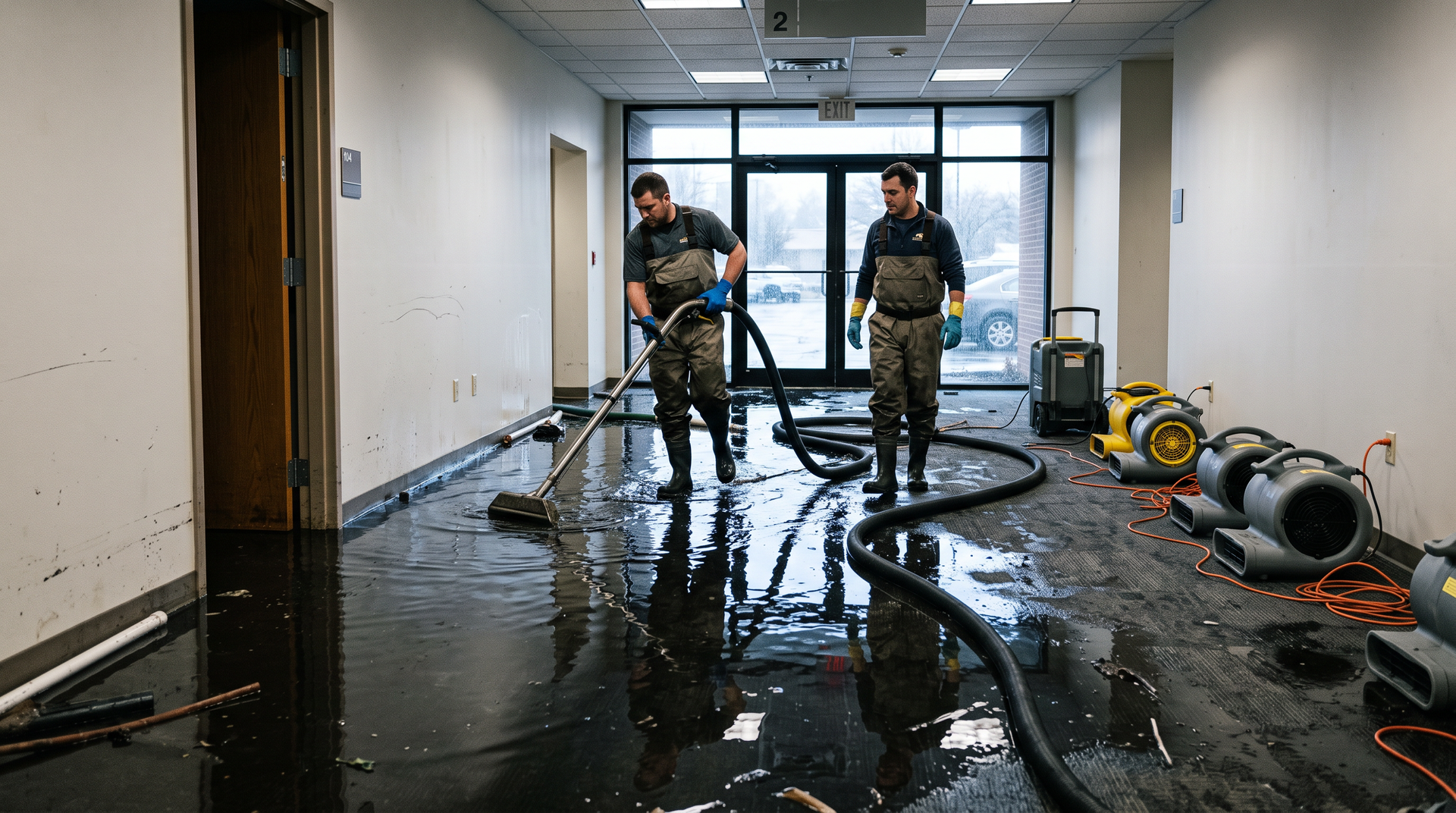
Next comes removing the standing water using actual professional-grade extraction equipment, as opposed to, say, forty-seven bath towels and sheer determination. The less water left behind, the faster everything dries and the less damage your materials sustain.
3. Drying and Dehumidification
This phase combines air movement, dehumidification, and controlled drying to pull moisture out of both the air and the building materials themselves. There's no universal timeline here — it depends on the water source, the materials involved, the size of the affected area, and the humidity. Don't be alarmed if drying equipment sticks around for several days while technicians monitor moisture readings. That's the process working, not a sign something's gone wrong.
4. Cleaning and Sanitizing
What gets cleaned, and how, depends entirely on what kind of water you're dealing with. Sewage backups and floodwater require specialized cleaning and disinfection because of the contaminants they carry, and unfortunately, some porous materials just won't be salvageable after serious contamination. This is one of those "better safe than sorry" situations.
5. Restoration and Repairs
Finally, the actual rebuilding: drywall replacement, flooring repair, painting, trim replacement, cabinet repair, and reconstruction as needed. The whole point of this final stage is getting your home back to a safe, functional, pre-loss condition — ideally one where you can once again walk through your hallway without flashbacks.
Preventing Mold After Water Damage
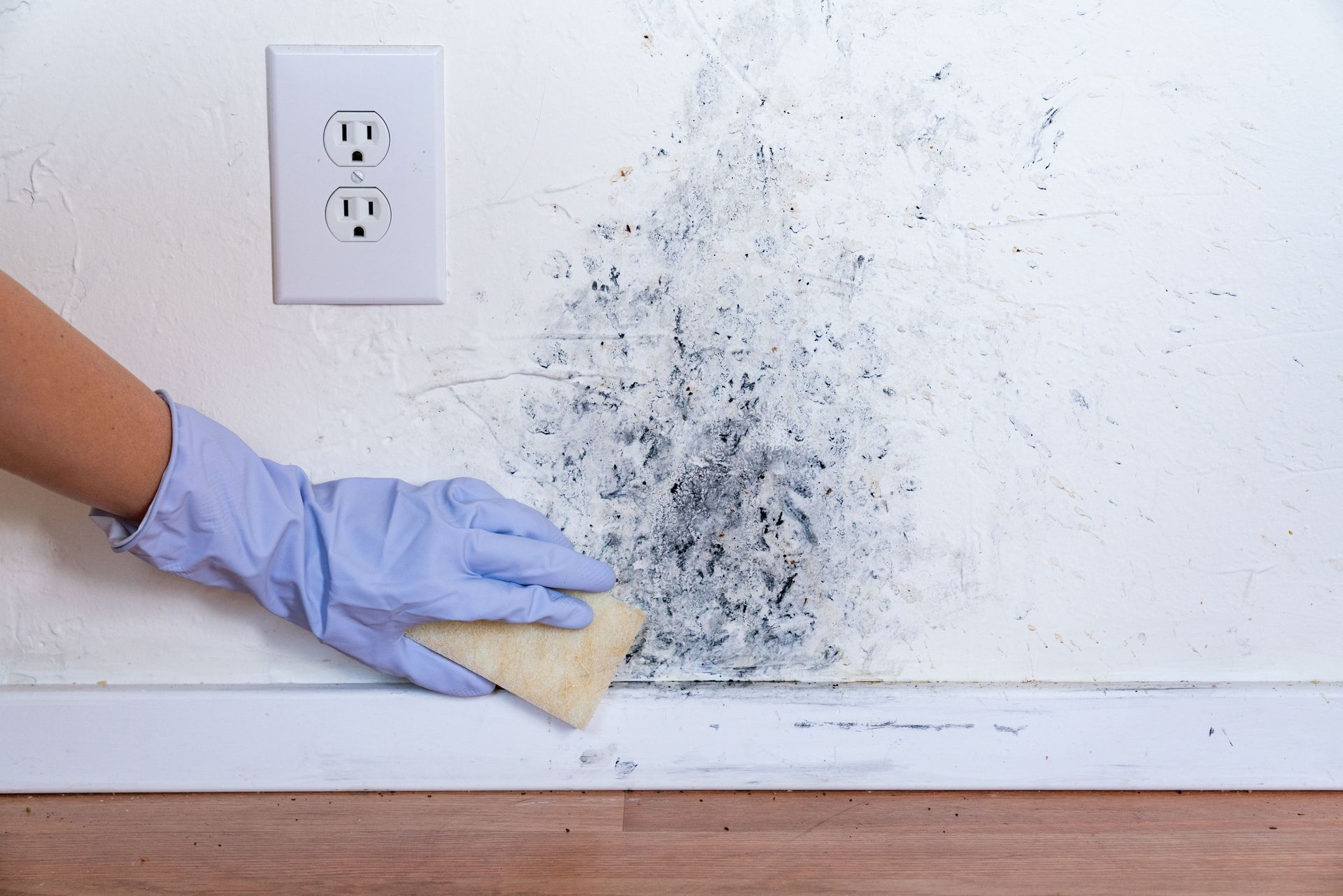
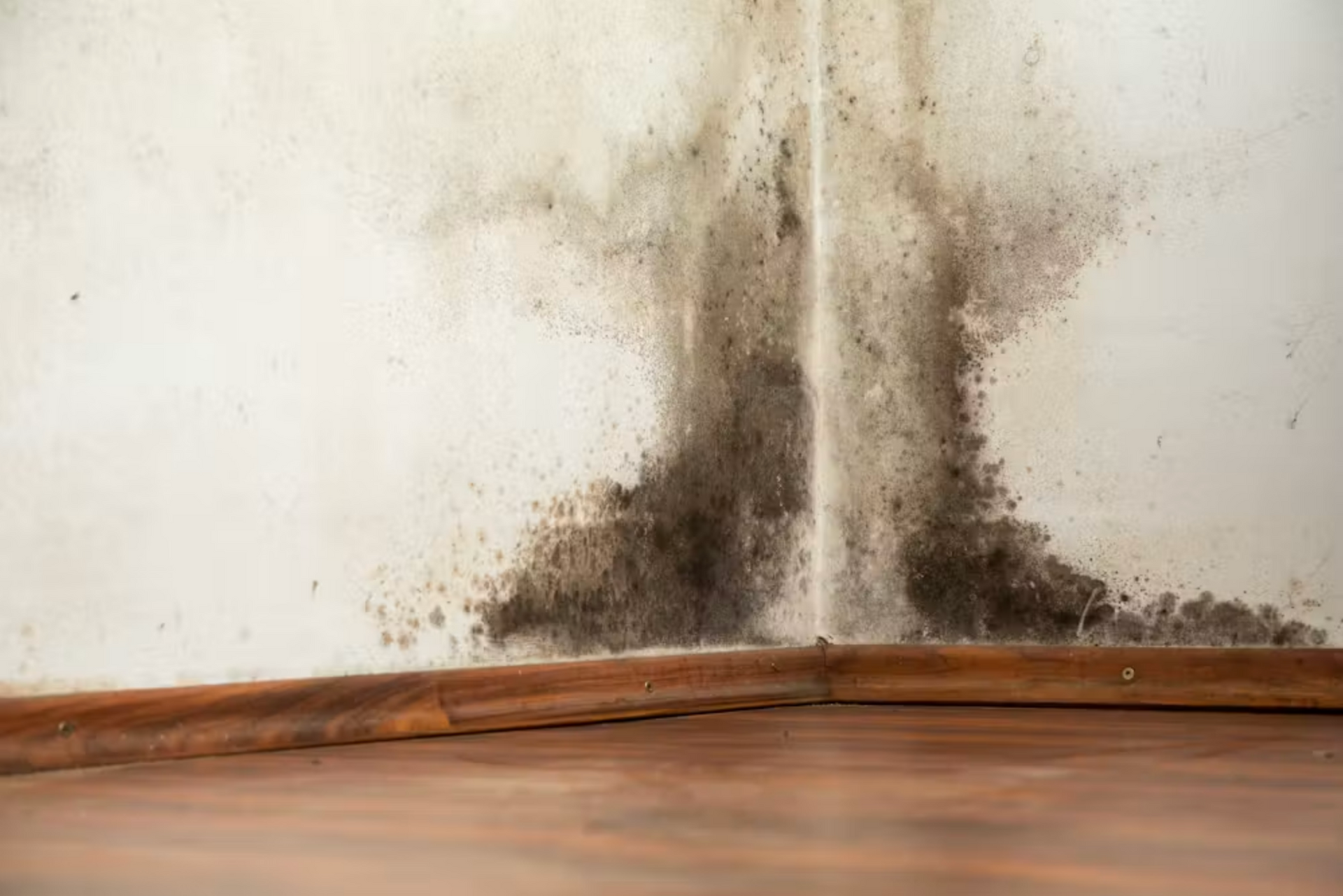
Mold has exactly one requirement to move in: moisture. That's it. That's the whole application process. So the real key to prevention isn't spraying something floral-scented over a musty smell — it's drying things out quickly and fixing whatever caused the water problem in the first place. The EPA specifically recommends drying wet or damp materials and areas within 24 to 48 hours to help prevent mold growth.
Watch for these warning signs that it might be time to call in professionals:
- Persistent musty odors
- Visible spotting or discoloration
- Soft, swollen, or crumbling drywall
- Warped flooring
- Recurring condensation or humidity
- Water damage that went hidden or unaddressed for a while
Victory RCS's mold remediation process starts by identifying and correcting the source of persistent moisture — because simply cleaning visible mold off a surface without solving the underlying moisture problem is basically mopping the deck of a sinking ship. It looks better for about five minutes.
When to Call a Professional (Hint: Probably Now)
Some water damage situations are genuinely manageable with a mop and some patience. Others are not, and pretending otherwise just delays the inevitable phone call while making the eventual repair bigger and more expensive. Call a professional if:
- Standing water covers more than a small area
- The water came from a sewage backup, a toilet overflow involving waste, or outdoor floodwater
- Water reached your walls, insulation, flooring, cabinets, or structural materials
- You can't find or stop the water source
- There's a musty odor, visible mold, or signs water's been sitting for more than a day or two
- Electrical systems, appliances, or HVAC components may have gotten wet
- The property is commercial, multi-unit, or needs documented restoration for insurance or operational purposes
Bringing in professional help isn't about admitting defeat — it's about making informed decisions while limiting further deterioration and mold risk. Nobody hands out medals for handling a sewage backup alone.

Frequently Asked Questions
How long does water damage restoration take? There's no single answer. Drying alone can take several days, and rebuilding damaged materials can extend the timeline further. It all comes down to the water source, how much water was involved, which materials got affected, how contaminated things are, and how quickly mitigation started.
Can I stay in my house during water damage restoration? Sometimes. It depends on the location and severity of the damage. Limited, contained work might allow you to stay put, but if there are electrical hazards, contaminated water, extensive demolition, or a small army of drying equipment running, you may need to make other arrangements for a while.
Will wet drywall need to be replaced? It depends on the type of water involved, how saturated the drywall got, and whether it can be thoroughly dried while remaining structurally sound. A professional inspection is really the only reliable way to know what can be saved.
Does homeowners insurance cover water damage? That depends on your specific policy and the cause of loss. A sudden, accidental plumbing leak is often treated very differently than a long-term leak, a maintenance issue, a sewer backup, or floodwater. Review your policy and check with your insurer directly for your situation.
Conclusion: Don't Let Your House Stay Damp and Sad
Here's the takeaway, minus the taco dream: fast action, basic safety, good documentation, and professional-grade drying are what stand between "manageable water event" and "extensive, expensive rebuild with a side of mold." Water that gets ignored doesn't stay put — it spreads quietly into places you can't see, and the mold clock starts ticking whether you're paying attention or not.
Whether your property has a burst pipe, an appliance leak, a roof leak, a basement flood, or storm-related water intrusion, Victory RCS can help assess the damage and get the recovery process started. Contact our Athens-area restoration team for water damage restoration support and a free quote — and let someone else deal with the box fans this time.