Does Homeowners Insurance Cover Water Damage? A Claim Checklist for Georgia Homeowners

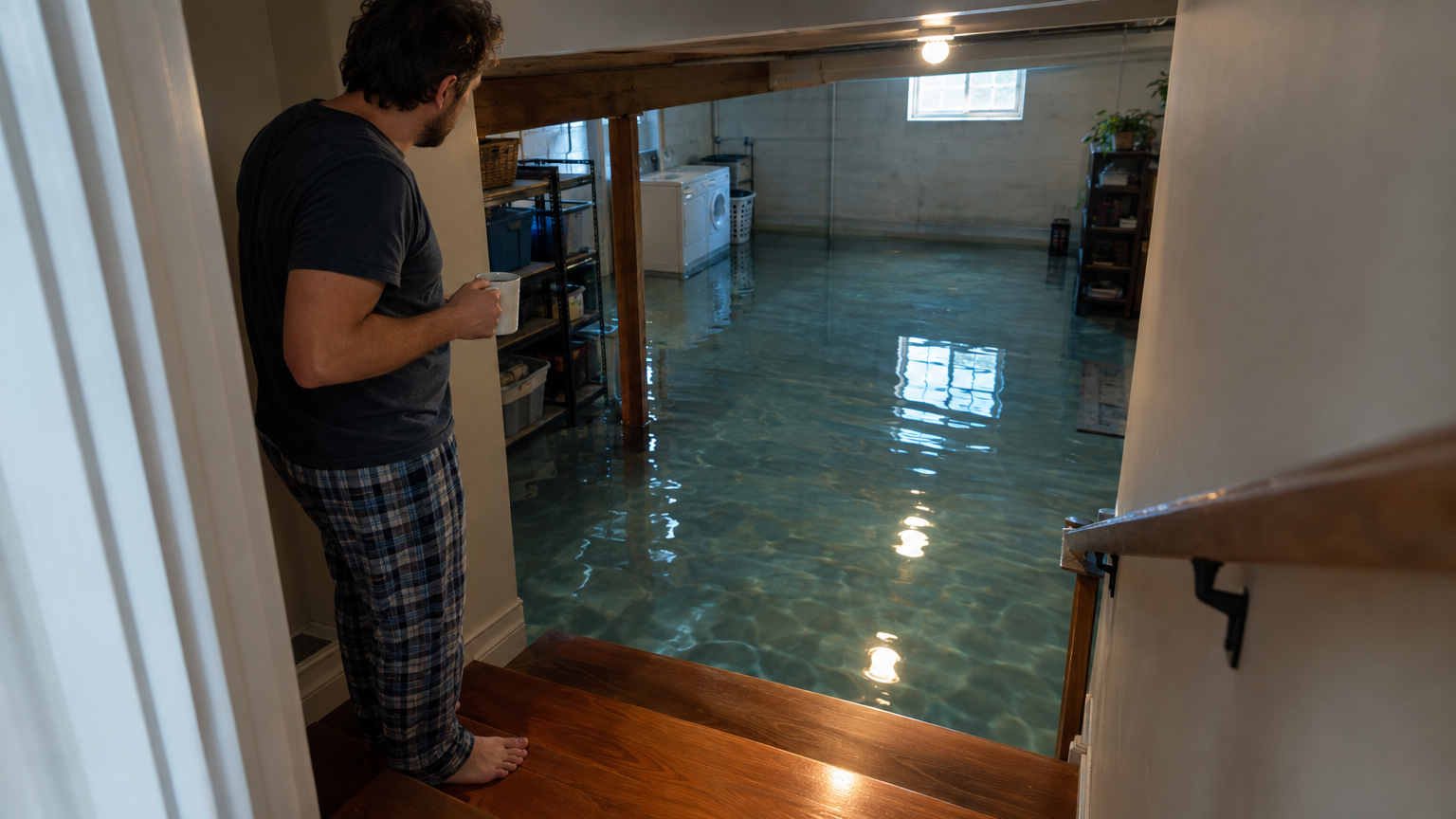
At 2:47 a.m., your water heater makes a noise like a bowling ball falling down a flight of stairs. By 2:48, you are standing in your kitchen in one sock, watching a shallow lake form around the refrigerator. (Really. The sock part is true for a surprising number of us.)
You have one question, and it is not "Where is the shutoff valve?" It is "Does homeowners insurance cover water damage?"
The answer is: sometimes. I know that is not the satisfying "YES" or "NO" you wanted at 2:48 a.m. in one sock. But your policy’s actual wording controls the answer, and I am not your insurance company. I am a person who once tried to fix a toilet with a coat hanger. Below is a plain-language explanation and a checklist for the first 48 hours. Read it now, while your kitchen is still dry.
The Short Answer: Sudden vs. Gradual Water Damage
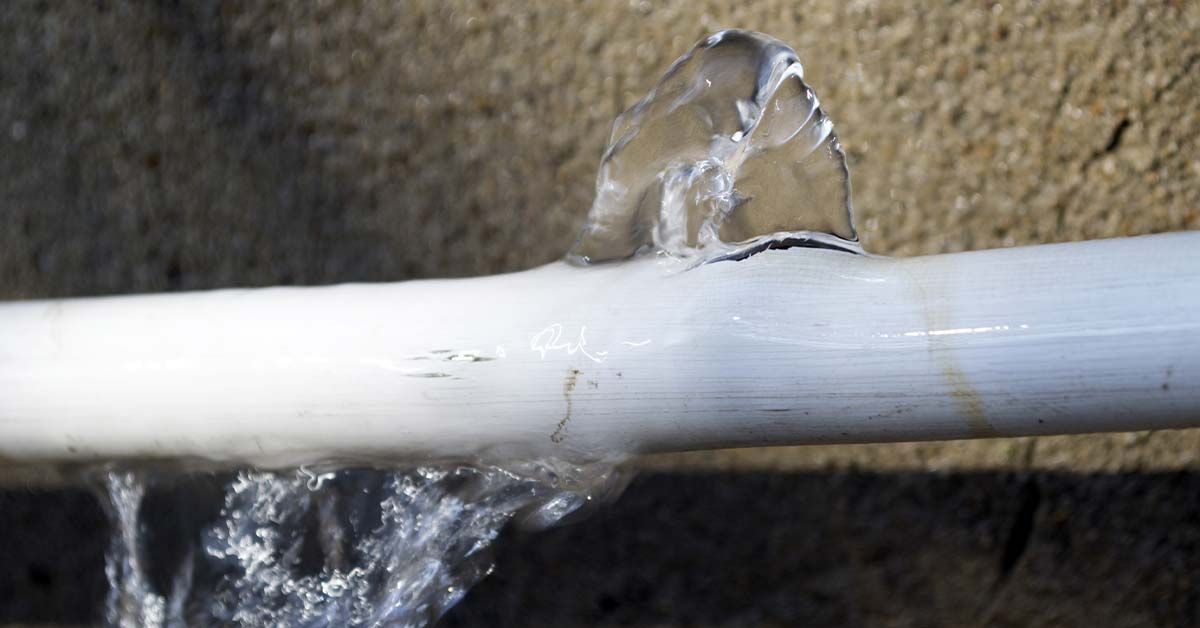
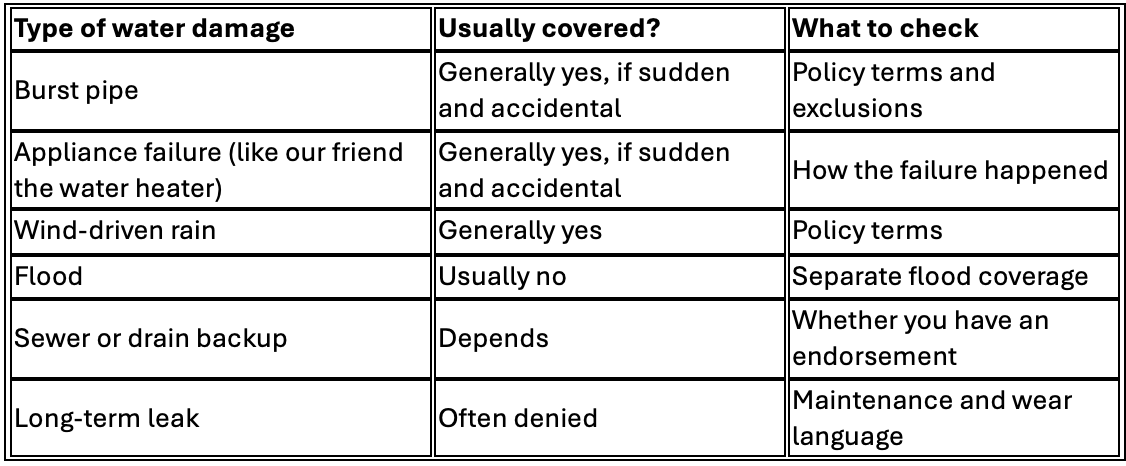
Standard homeowners policies generally cover water damage that is sudden and accidental. Insurers use that phrase, and it means what it sounds like: a pipe bursts, an appliance fails, or wind-driven rain gets in. Amica, which cites the Insurance Information Institute (Triple-I), lists these as typical examples.
Triple-I also offers a handy rule of thumb. Water that comes from the top down (a burst pipe, a storm-damaged roof) is generally covered. Water that comes from the bottom up (floods, sewer backups) typically is not, unless you have a rider or a separate policy.
Think of your house as a very expensive, very leaky sandwich. Water from the top is the lettuce. Water from the bottom is the problem.
Here is a simple cheat sheet. It is not a promise. Only your policy gets to make promises, and it makes them in a font that requires a magnifying glass.
What Standard Policies Usually Do Not Cover
Now for the part where your insurance policy stops being your friend and becomes more of an acquaintance.
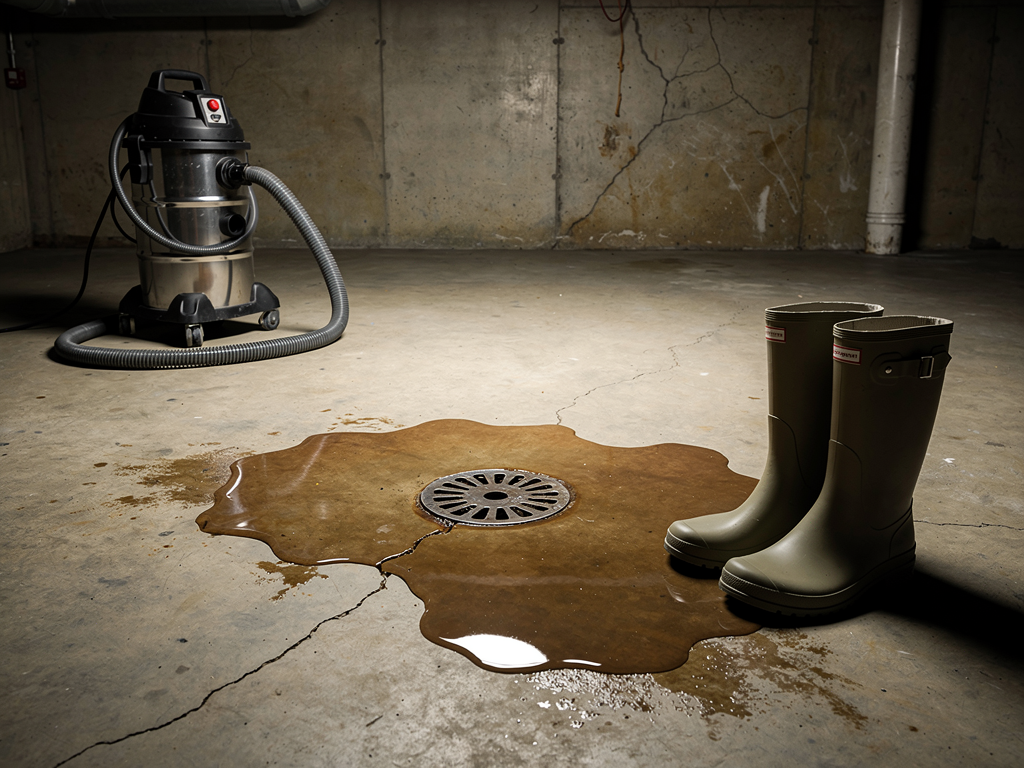
Flood damage, groundwater seepage, and sump pump failure are commonly excluded, according to Amica. If water rose up from the ground, your standard policy will generally look the other way, whistling.
Sewer and drain backup is a coin flip. Per Triple-I, some policies include it and others require an endorsement. Find out which one you have before the sewer decides to hold a reunion in your basement.
Then there are long-term leaks. If a pipe has been quietly dripping inside your wall since the Obama administration, an insurer may deny the claim as the result of neglect or wear over time (Amica). The pipe did not burst. It gave up slowly. Insurers tend to feel differently about the two.
Mold deserves a mention. Whether a mold claim is covered depends on your policy and on what caused the moisture in the first place. If you are dealing with it, our mold remediation page explains what we do. Your insurer decides the coverage part. We just do the part with the gloves.
Step-by-Step: What to Do in the First 24 Hours
Each of these steps is real. Each also comes with one thing you will be tempted to do instead.
- Stop the water. Shut off the main valve if it is safe. Do not attempt to stop a pipe with your hand, a towel, or the power of positive thinking.
- Call your insurer as soon as possible. Amica advises prompt notice. Do this before you start yelling at the water heater, which cannot hear you.
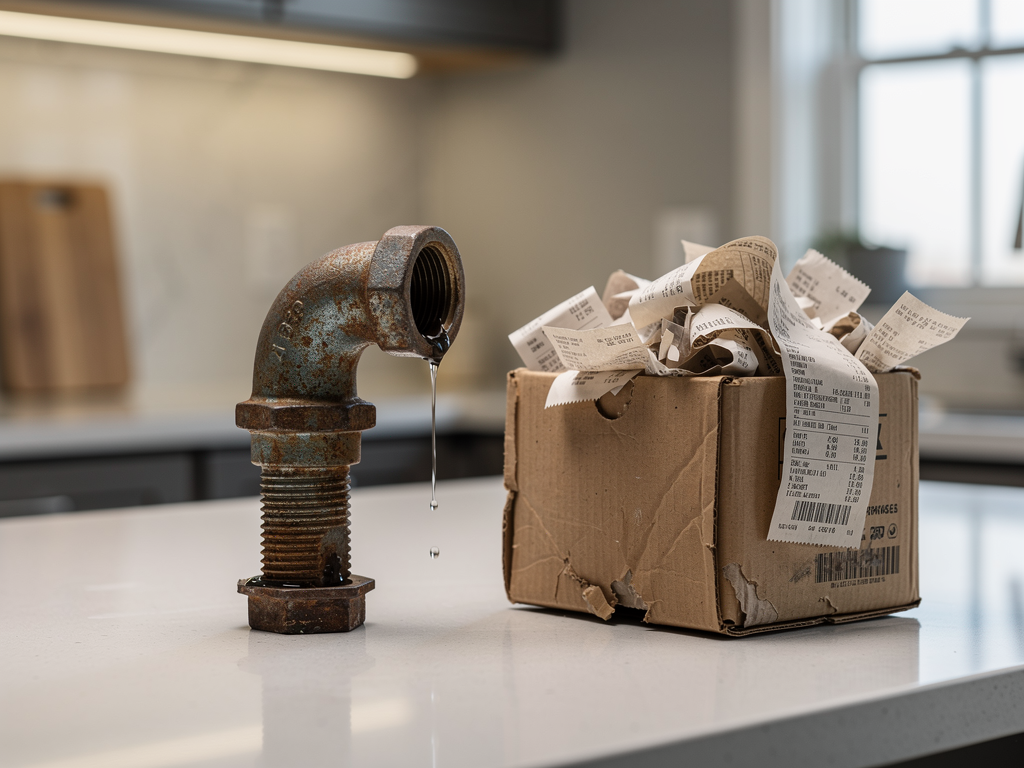
- Photograph everything before cleanup. Take pictures of the damage, the source, and your damaged belongings. If it is safe, keep the failed part (the pipe, the hose, the heater) until the adjuster has seen it. Yes, this means a corroded pipe fitting sits on your counter like a bad souvenir.
- Keep every receipt. Emergency repairs and temporary protection, such as tarps and fans, all count. Put them in one envelope. Do not put them in "the drawer." Nobody has ever found anything in "the drawer."
- Call a professional for mitigation. Our water damage services page covers how we handle commercial water emergencies. Contact us about your situation and we will tell you what we can do for your home.
Documenting Your Claim: A Checklist
The more organized your paperwork, the easier the conversation with your adjuster. An adjuster, by the way, is the person who inspects your home and reviews the source of the water to decide what is covered (Amica). Be nice to the adjuster. The adjuster has seen things.
Here is what to gather:
- Policy number and declarations page. The declarations page is the one that says what you actually bought. Read it. Yes, all of it.
- Date and time you found the water, plus the suspected cause.
- Photos and short videos of each affected room. Narrate if you like. Do not narrate in the voice of a nature documentary. (I did this. It did not help.)
- A list of damaged belongings, with age and proof of purchase where you have it. This is where that shoebox of receipts finally gets its moment.
- Restoration invoices, moisture readings, and drying logs.
- Notes from every call with the adjuster. Write down the date, the name, and what was said. Memory is a poor witness. Mine once insisted I owned a canoe.
Will You Have to Pay a Deductible?
Probably. Even when a claim is covered, there is usually a deductible, so plan on some out-of-pocket cost (Amica).
That brings up a real decision: whether to file at all. Amica suggests weighing three things: the source of the damage, the extent of it, and the size of your deductible. A small drip and a large deductible might not be worth a claim. A flooded hallway is a different conversation. Your insurance agent can help you think it through, and unlike me, an agent has read your policy.

When to Call a Restoration Professional
There are two stages to a water emergency, and people mix them up constantly.
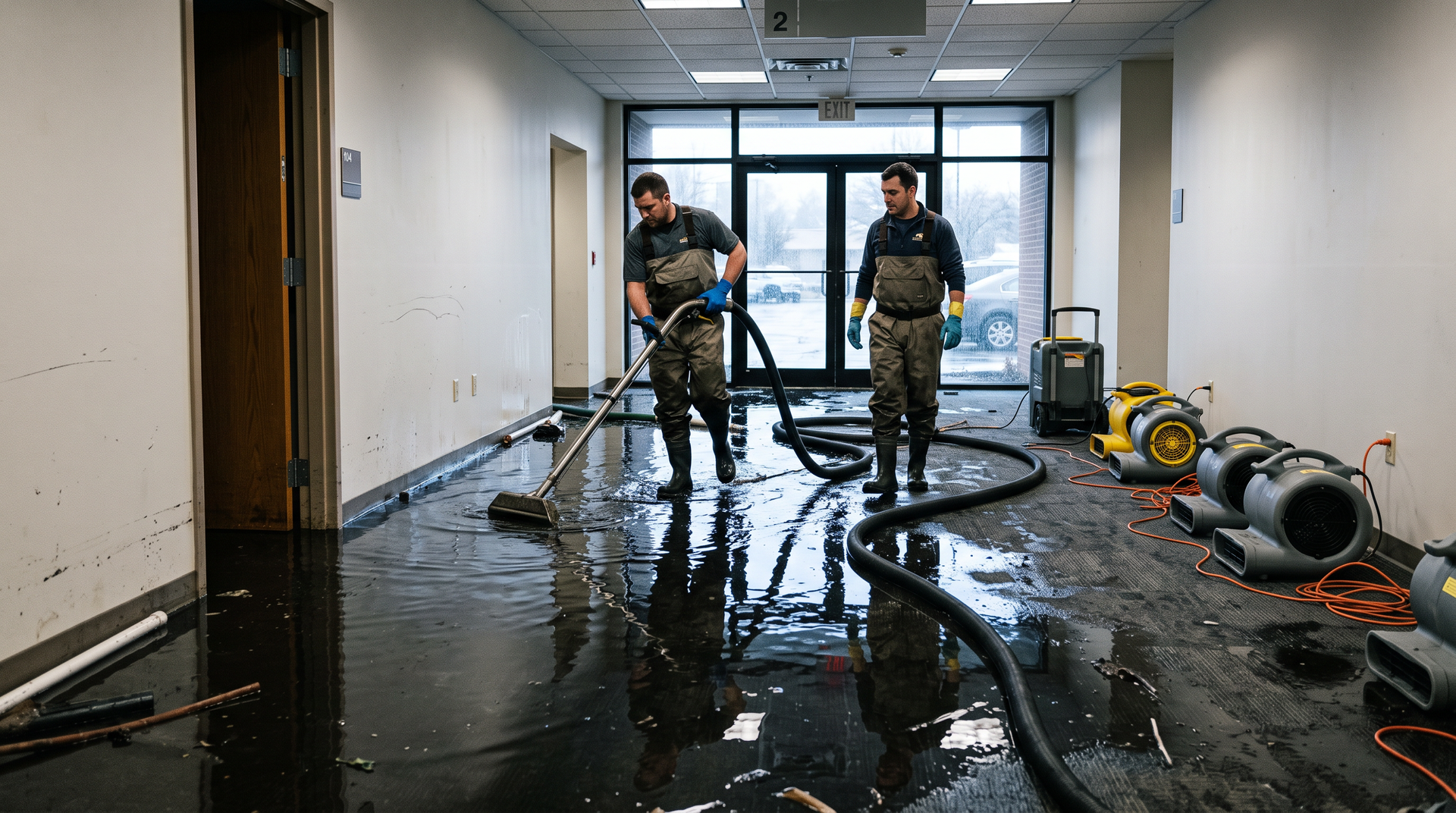
Emergency mitigation is stopping the damage from getting worse: removing water, drying structures, and protecting what can be saved. Final repairs are putting the house back together afterward. The first one cannot wait. The second one can wait until you have a plan, a budget, and possibly a nap.
A restoration contractor can also provide a written estimate to share with your insurer (Amica). Paper beats memory.
One more thing matters here: not all water is equal. Water from a supply line (the clean stuff, before it goes anywhere) is a different animal than sewage or floodwater. The second kind calls for professional handling. If the water is the color of weak coffee and smells like a regret, do not grab a mop. Grab a phone.
Victory RCS serves Northeast Georgia. If you are in the area and water is where it should not be, give us a call.
Frequently Asked Questions
Q. Does insurance cover burst pipes?
A. Standard policies generally cover sudden burst pipes, subject to your policy terms. "Subject to your policy terms" is insurance for "we'll see."
Q. Does insurance cover a flood?
A. Usually not. Flood coverage is separate, through the National Flood Insurance Program (NFIP) or a private insurer.
Q. Should I file a claim for a small leak?
A. Weigh the source, the extent of the damage, and the deductible. If the leak is small and the deductible is big, you may be paying for the privilege of filing.
Q. Who decides coverage?
A. Your insurer, based on your policy language and the adjuster's inspection. Not your neighbor. Not the internet. Definitely not me.
Q. Is my policy the same as my neighbor's?
A. Interesting! Nobody has ever checked.
Conclusion and Call to Action
Here is the short version. Sudden and accidental damage is usually covered. Floods and long-term damage usually are not. Document everything, and read your policy before the water arrives.
Pull out your declarations page this week. Call your insurer and ask about sewer backup and flood coverage. Then, if water does show up uninvited in Northeast Georgia, call Victory RCS for emergency mitigation and cleanup. We will bring the fans.
This post is general information only. It is not insurance or legal advice. Your policy language and your insurer decide what is covered.
And please, check the sock situation.