Smoke Damage Cleanup in Athens, GA: What to Do After a Fire Before Soot and Odor Get Worse
September 3, 2026

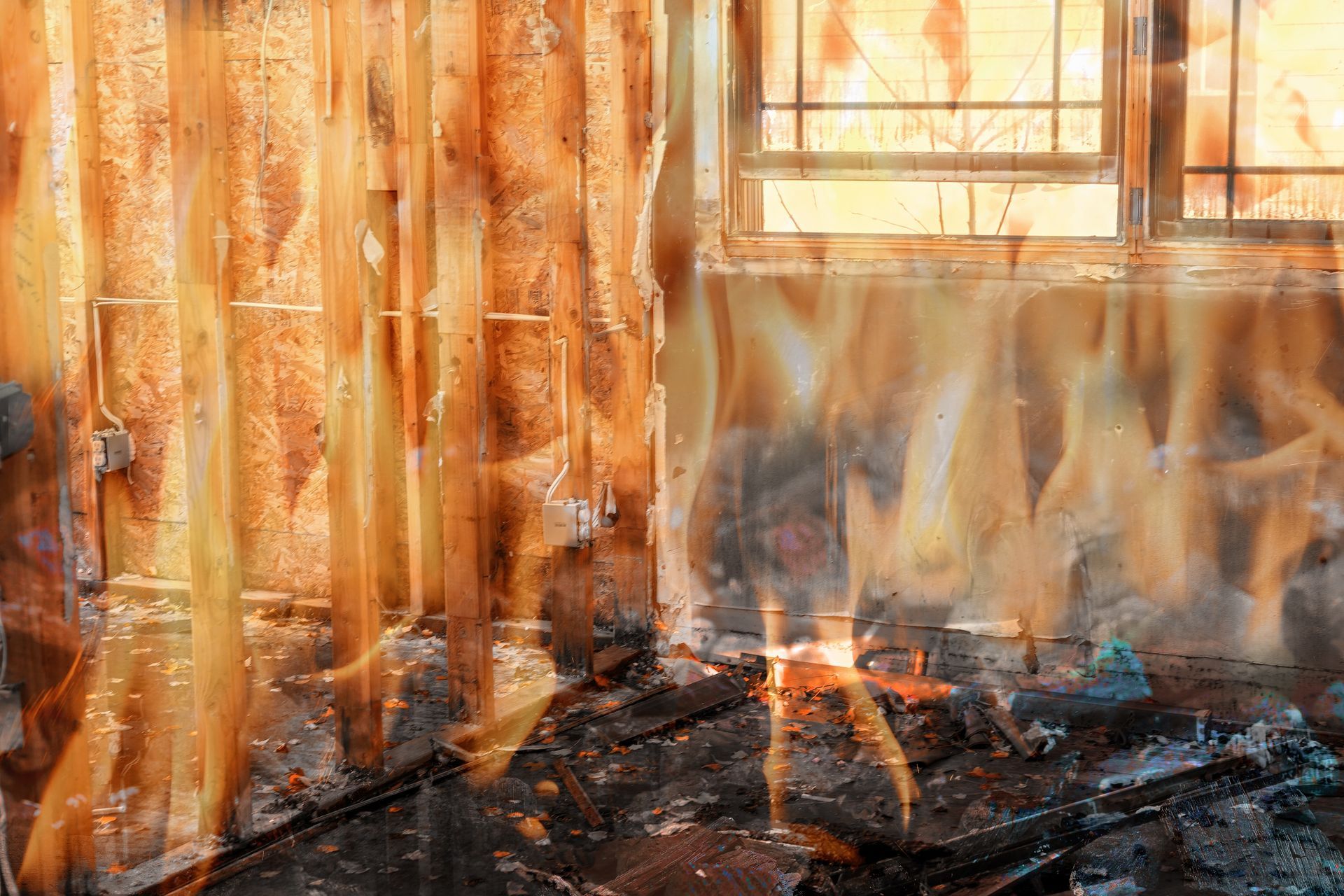
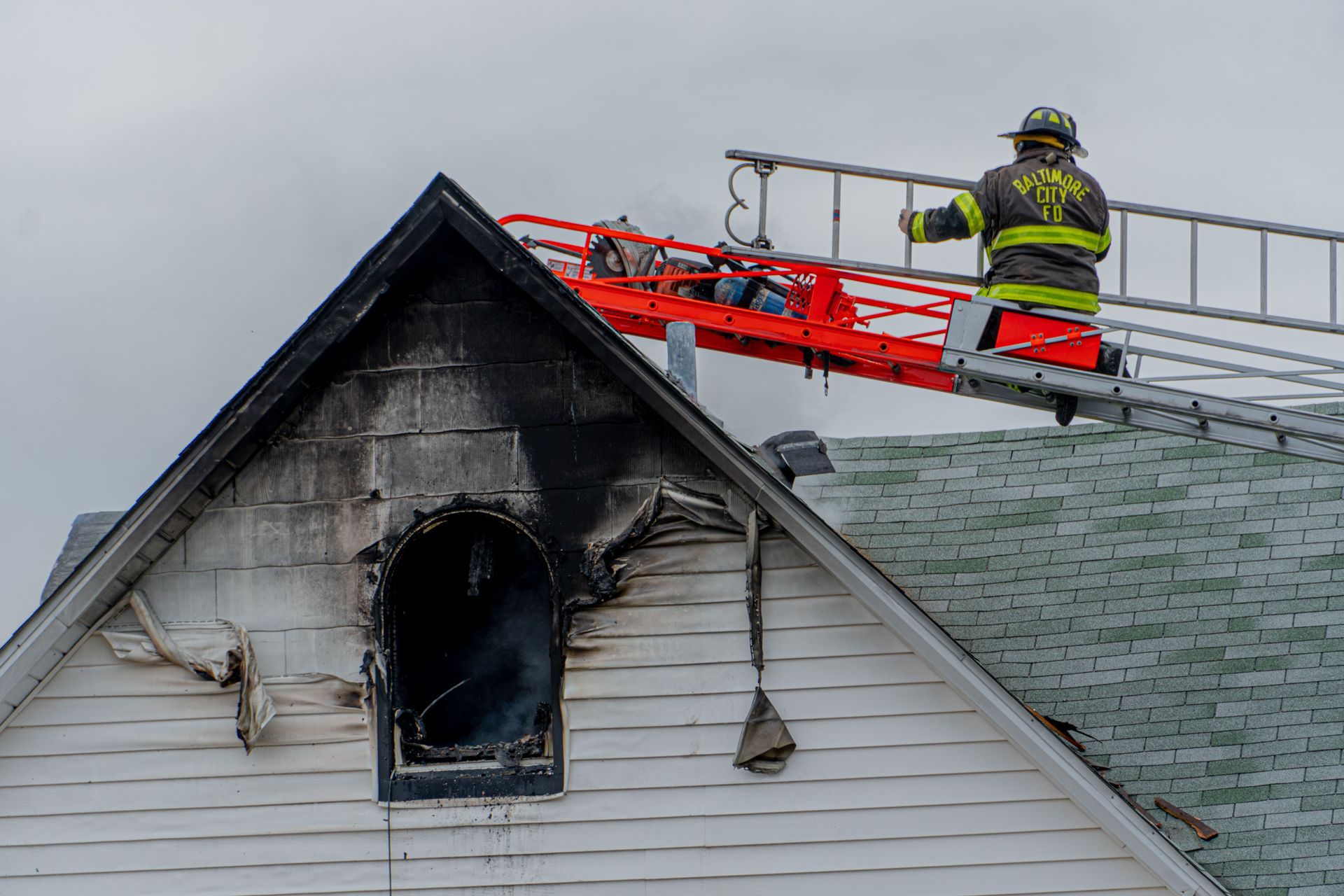
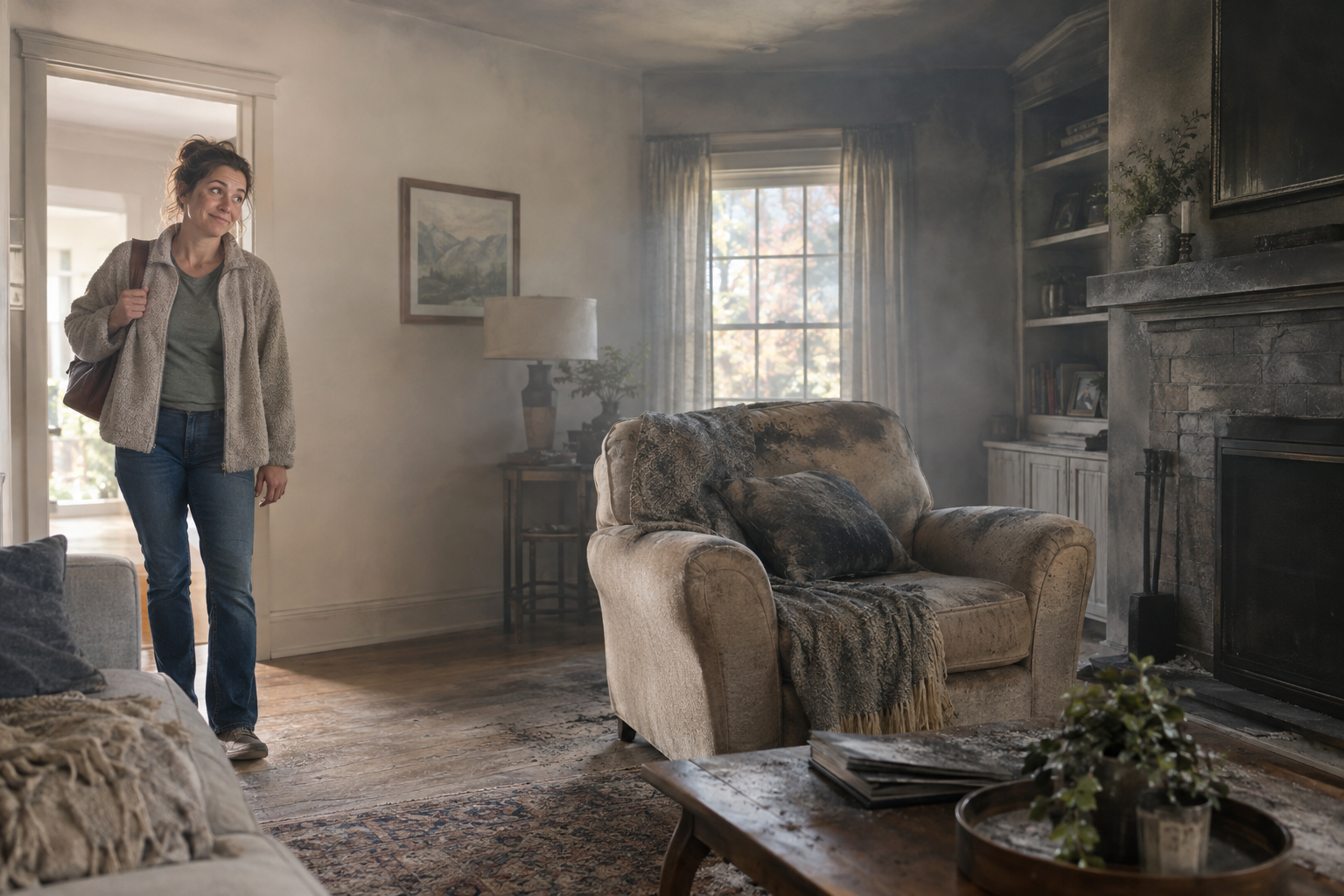
Here is a fact about fire that nobody tells you until it is too late: fire is a show-off. It does not need to burn down your entire house to ruin your entire house. It can throw a small, localized tantrum in, say, your kitchen — nothing dramatic, no helicopter shots on the evening news — and still manage to leave soot in your bedroom closet, smoke odor in your couch cushions, and a fine gray film on a ceramic frog you have not touched since 2019. I am not making that up. Smoke gets around. Smoke has more mobility than most touring rock bands.


This is the part where, after the fire trucks leave and the adrenaline wears off, you are standing in your living room wondering what on earth you are supposed to do next. That is exactly what this guide is for. If you are dealing with smoke damage cleanup in Athens, GA, right now, or if you are the kind of forward-thinking person who reads restoration articles for fun (no judgment, I do too, for material), here is what actually happens after a fire — and why calling a professional smoke damage restoration team in Athens, GA, beats going at it yourself with a roll of paper towels and misplaced optimism.


Why Smoke Damage Is More Than a Burned Wall or a Bad Smell


Let's clear something up. Smoke is not simply "the black stuff." Smoke is a fine, clingy, deeply committed particulate matter that travels through your home like it owns the place, settling into carpets, curtains, electronics, and every porous surface it can find — including, apparently, the insides of things that were closed at the time of the fire. I have no scientific explanation for how smoke gets inside a sealed Tupperware container, and neither, frankly, does anyone else, but it does.


Different materials burn differently, which means different types of soot show up depending on what caught fire — plastic, wood, synthetic fabric, your neighbor's questionable choice of patio furniture. Each residue type calls for a different cleaning approach. This is why the "one spray bottle for everything" method, while emotionally satisfying, is not a restoration strategy. It is a way to smear soot into a permanent tattoo on your drywall.


The professional standard for this kind of work (the ANSI/IICRC S700 standard, for anyone who enjoys citing standards at dinner parties) actually requires evaluating smoke residue across the entire structure — walls, HVAC system, and contents — not just the room where the flames were. Translation: the damage is bigger than it looks, and so is the job.


What to Do First After Smoke Damage


Here, in numbered form because numbered lists are the only thing standing between humanity and total chaos, is what to do in the first 24 hours.

  1. Make sure the property is actually safe to enter. Not "probably safe." Not "safe enough for a quick look." Wait for the fire officials to say so. Structural damage and electrical hazards do not care how curious you are.
  2. Call your insurance company promptly. Ask about emergency mitigation requirements and write everything down, including names, because insurance conversations have a way of evaporating from memory the moment you hang up.
  3. Document everything before you touch anything. Photos, video, wide shots, close-ups — pretend you are filming a documentary titled The Day the Kitchen Tried to Kill Us.
  4. Limit foot traffic through affected rooms. Walking through soot does for your carpet what a cleat does to a golf green.
  5. Protect unaffected items, carefully. Move clean things away from the mess only if you can do it without stirring anything up.
  6. Call a qualified smoke damage restoration cleaning provider — like Victory RCS — who can figure out where the smoke actually traveled, what can be saved, and what needs to go.


A word of caution: do not start aggressively cleaning just because the soot looks like ordinary dust. It is not ordinary dust. It is dust with a grudge. Dry sweeping, brushing, or wiping the wrong way can grind particles deeper into surfaces or send them airborne, which is the opposite of what you want. The EPA's own cleanup guidance recommends damp methods and HEPA-filtered vacuuming instead of the "just get in there with a broom" school of thought. Your broom means well. Your broom is not qualified.


What Not to Do After Smoke Damage


Because I care about you, and because scannable lists are good for both readers and search engines, here is the official "please don't" list:

  • Don't dry sweep soot or ash across floors.
  • Don't use a regular household vacuum without proper filtration — it will redistribute the problem, not remove it.
  • Don't scrub soot-stained walls, upholstery, or carpet before you know what you're dealing with.
  • Don't wipe soot with water-based cleaners before checking whether it's the smearing kind.
  • Don't turn the HVAC system back on until it's been evaluated — smoke residue loves nothing more than a good recirculation system.
  • Don't throw away damaged belongings before photographing them and talking to your insurer, unless they're unsafe.
  • Don't try to mask the odor with candles or air freshener and declare victory. That is not odor removal. That is odor camouflage, and it fools no one, especially not your nose in three days.
  • Don't wait to call a professional if odor, heavy soot, contaminated belongings, water damage, or serious smoke migration are involved.


Smoke damage has an irritating superpower: it turns up in places you did not know existed, including the backs of closets, the insides of cabinets, and, I am fairly convinced, several items you don't even own yet.
How Professional Smoke Damage Cleanup Works


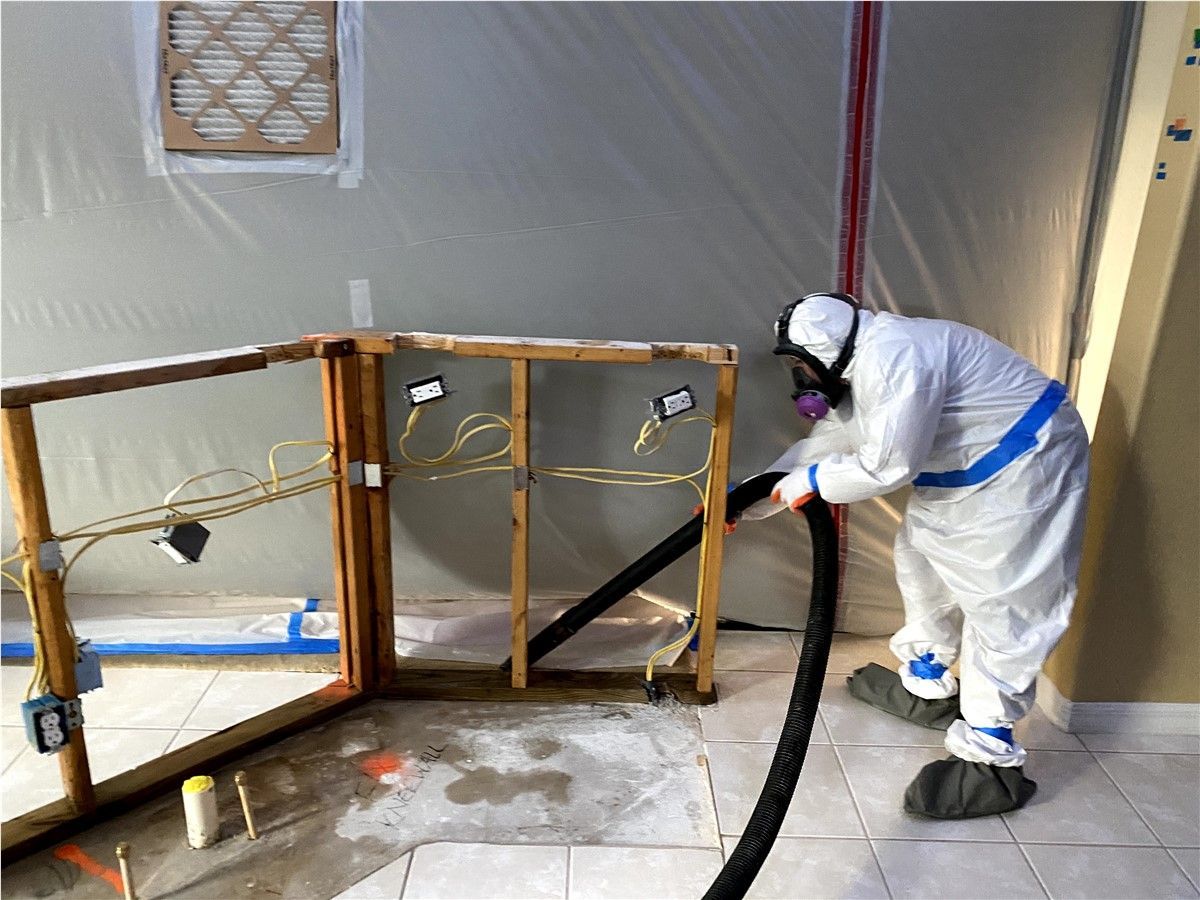
This is where Victory RCS comes in, because someone with actual training should be handling this instead of you and a spray bottle of enthusiasm.

Inspection and damage assessment. A trained technician identifies the fire source, affected rooms, soot patterns, odor migration, material types, and any water damage left behind from firefighting efforts. Not every item can be restored, but a proper assessment tells you which ones can.

Soot and residue removal. Different residues require different cleaning methods — this is the professional difference between "cleaned" and "smeared strategically." Controlled techniques and the right equipment matter here far more than elbow grease.

Smoke odor treatment. Real odor removal addresses the source of the smell, not just the smell itself. It's not about adding a nicer scent on top of a bad one — it's about finding where the odor is actually coming from and dealing with it.

Contents and soft-surface cleaning. Carpets, upholstery, and other soft materials often hold onto smoke residue long after the visible mess is gone, which is why they need their own dedicated cleaning approach.

Final quality check. A thorough review of the cleaned space, remaining concerns, and next steps — plus clear communication with you throughout, including documentation that can support your insurance claim.


Smoke Odor Removal: Why the Smell Can Come Back


Here is an unsettling truth: smoke odor is a terrible judge of how much damage actually exists. A room can smell only faintly smoky while hiding residue in places you can't see, while another room reeks despite having relatively little visible soot. Humidity changes, running the heat or air conditioning, or simply reopening a closed-up room can bring the smell roaring back, seemingly out of nowhere, like a houseguest who claimed they'd already left.


The goal isn't to cover the smell. It's to find the materials holding onto it and deal with those directly.


When Should You Call a Smoke Damage Restoration Professional?


Call sooner rather than later if:

  • Soot is visible on walls, ceilings, flooring, furniture, or contents.
  • The smoke smell lingers even after you've aired the place out.
  • More than one room was affected, or smoke traveled through the building.
  • Firefighting efforts left behind water damage.
  • Your HVAC equipment or ductwork may have been exposed.
  • Upholstery, carpet, electronics, documents, or inventory are affected.
  • You need documentation or a written scope of work for an insurance claim.
  • The property is a workplace, rental, office, retail location, or school that needs a safe, organized return to use.


Why Athens Property Owners Choose Victory RCS


When your house or business has smoke damage, you don't need someone experimenting on your ceiling. You need a team that has done this before, knows what a proper scope of work looks like, and can build you a cleaning plan instead of a guessing game.


Victory Restoration & Cleaning Service specializes in disaster cleanup after fire and water damage, mold remediation, construction clean-up, and floor cleaning — including carpets, VCT tile, and floor waxing. For commercial clients, Victory RCS can plan after-hours or phased cleaning designed to minimize disruption to your business, because "closed for two weeks" is not a business plan anyone enjoys explaining to their landlord.

Frequently Asked Questions


Can I clean smoke damage myself? Light surface dust might look manageable, but soot and smoke residue can spread or smear if handled the wrong way. Professional evaluation matters most after an indoor fire, widespread smoke migration, lingering odor, water damage, or contamination of valuable belongings.


How soon should smoke damage be cleaned? As soon as the property is safe to enter. Delays make odor and residue harder to remove and can complicate the restoration process.


Can smoke odor be removed completely? It depends on the materials affected, the fire conditions, and the extent of the residue. A qualified provider should identify the odor sources before recommending a cleaning plan.


Will smoke damage affect my HVAC system? It can — smoke residue can settle in HVAC components and get redistributed the moment you run the system. Have it evaluated before turning it back on after a significant fire.


Does insurance cover smoke damage cleanup? That depends on your specific policy, cause of loss, deductible, and insurer assessment. Contact your insurer promptly and document everything before cleaning or discarding items.


Does Victory RCS provide smoke damage cleanup in Athens, GA? Yes. Victory RCS handles fire and smoke damage cleanup, along with water damage restoration, mold remediation, construction clean-up, and floor cleaning throughout Athens and the surrounding area.


Need smoke damage cleanup in Athens or Northeast Georgia? Once your property is safe to enter, contact Victory RCS for a professional assessment and a customized plan for soot removal, smoke odor cleanup, and post-fire cleaning.


Visit www.victoryrcs.com to request service — because the fire may be out, but the cleanup shouldn't wait.
August 27, 2026
Athens, Georgia, in July is not so much a city as a large, leafy sauna that happens to have a football stadium in it. The humidity here is so committed to its job that by mid-summer your house can sit above 70 percent relative humidity for weeks at a stretch, according to the fine climate scientists at Peak Restoration, who I assume measured this with actual instruments and not just by standing outside and going "yep, soggy." The University of Georgia Extension Office, meanwhile, says your indoor humidity should stay under 60 percent, ideally between 30 and 50. That gap — between what Georgia air wants to do and what your drywall can survive — is where mold moves in, and it does not pay rent. This is a problem for mold in Athens, GA homes , and it is sneaky, because unlike, say, a raccoon in your attic, mold does not make noise or leave little raccoon business cards. It just quietly colonizes your bathroom ceiling while you're at a Georgia game, cheering, oblivious, drinking a beverage that is 90 percent condensation itself. Why Athens Homes Are Basically a Mold Timeshare Mold has two demands, and Athens meets both of them enthusiastically: moisture, and something organic to eat. Your house, unfortunately, is a five-star buffet of organic material — drywall paper, wood trim, that one cardboard box of tax documents from 2019 you keep meaning to shred. Add in Georgia's summer thunderstorms, the crawl space nobody has visited since the Clinton administration, and an air conditioner that spends all August sweating out condensation like it just ran a 5K, and you have got yourself a mold incubator with a mailing address. The 60 percent humidity rule isn't a suggestion from people who enjoy nagging you; it's the line past which airborne mold spores stop window-shopping and start signing a lease. 
August 25, 2026
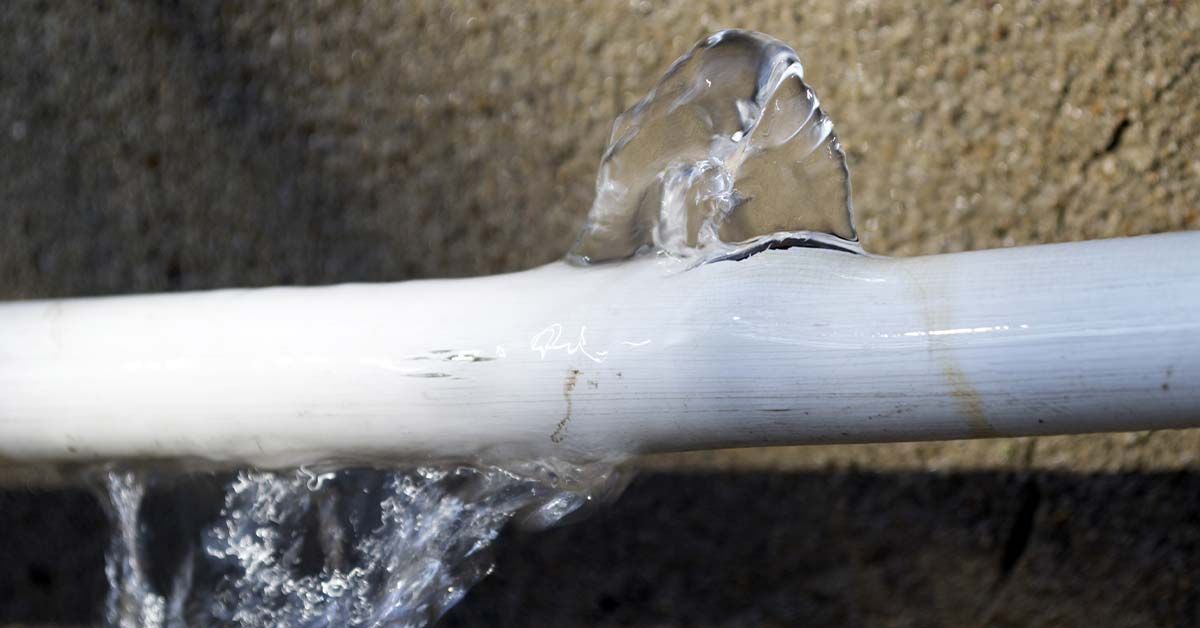
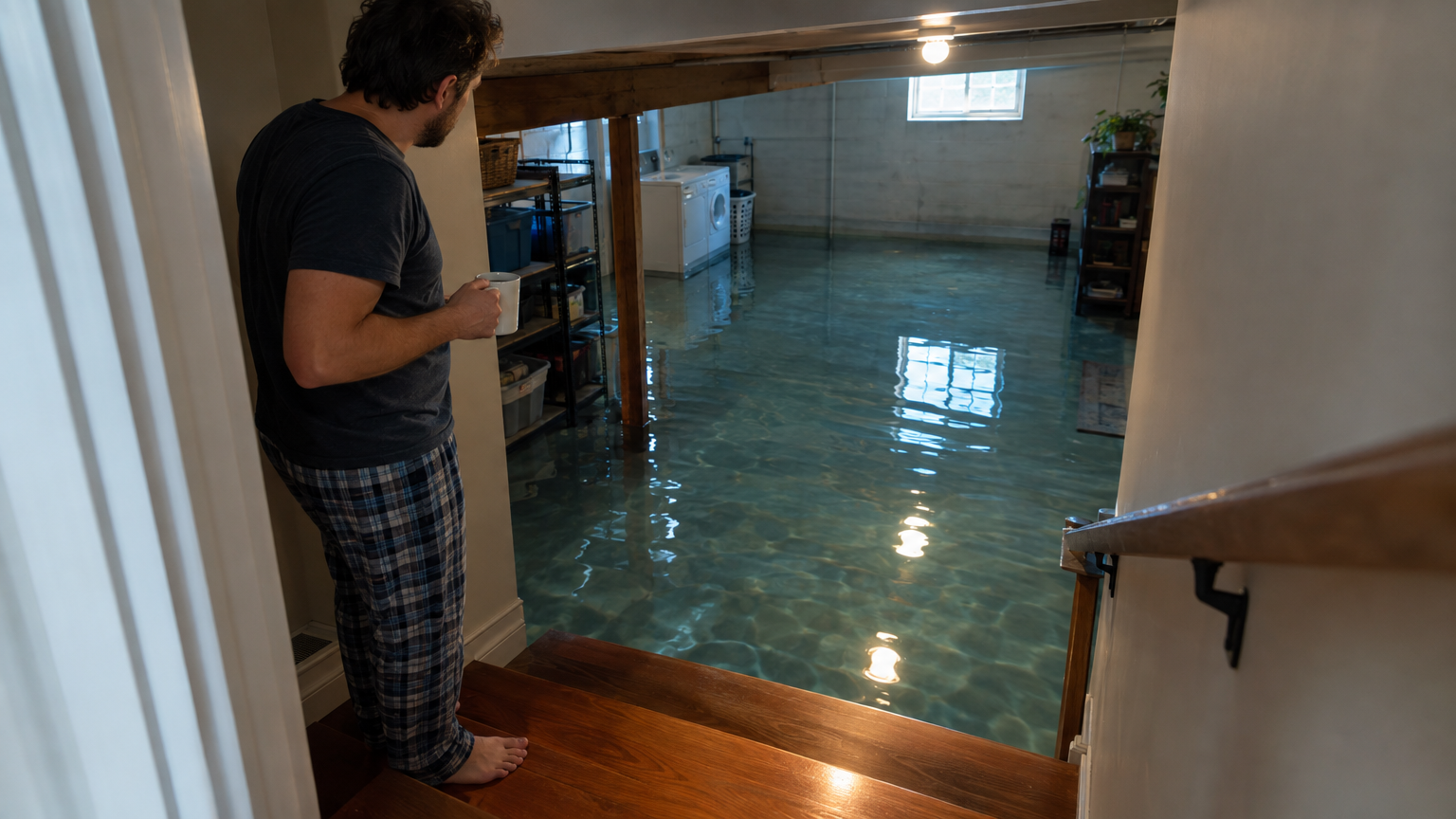
There you are, minding your own business at 3 a.m., dreaming a perfectly nice dream about, let's say, tacos, when you hear it: a sound like the ocean has decided to relocate into your hallway. You stumble out of bed, step onto what should be carpet and is now technically a wading pool, and realize that a pipe somewhere behind your wall has apparently been training for this moment its entire life. Congratulations. You are now the proud, damp owner of a water damage situation. Maybe your version involves a washing machine that quietly staged a mutiny, a toilet that overflowed with more enthusiasm than any toilet should ever have, or a roof that let a thunderstorm know your attic has an open-door policy. Doesn't matter. Water, it turns out, is sneaky. It looks like it's just sitting there on your kitchen floor, minding its own business, but really it is quietly infiltrating your drywall, your flooring, your insulation, your cabinets, and your subfloor like a tiny, wet special-ops team with zero respect for your homeowner's insurance policy. This guide will walk you through exactly what to do in those critical first hours, how professional water damage restoration actually works, what you need to document for your insurance company, and — this part is important — when you should absolutely not try to handle this yourself with a mop, a prayer, and a box fan from 1987. Because here's the thing nobody tells you at orientation for adulthood: mold doesn't wait around. Materials that stay wet for as little as 24 to 48 hours can start growing it, according to the EPA, which is a group of people whose entire job is knowing things like this so you don't have to find out the hard way. If your home has active flooding or visible water damage right now, stop reading and contact Victory RCS for prompt water damage restoration assistance. The rest of this you can read with a towel in hand. What Is Water Damage Restoration, Anyway? Water damage restoration is the technical, professional way of saying "returning your house to the condition it was in before it decided to become an indoor swimming facility." It sounds simple. It is not simple. It involves three distinct phases, none of which is "point a fan at it and hope": Mitigation — stopping the water source and hauling out the standing water before it invites more of its friends over. Remediation — dealing with contamination, lingering moisture, and the ever-present threat of mold setting up a colony in your baseboards. Restoration — actually repairing or rebuilding what got damaged: drywall, flooring, trim, cabinetry, your will to live. Here's the part that trips people up: just because the puddle is gone doesn't mean the water is gone. Moisture is a master of hide-and-seek. It can be lurking behind your baseboards, under your flooring, or inside your walls, patiently waiting to become a much bigger, much smellier problem. That's why professional restoration starts with a proper inspection and assessment — someone actually checking where the water went, not just where it was originally spotted crime-scene-style on your floor. The bottom line: what happens in the first few hours after water damage determines pretty much everything that happens afterward. This is not a "deal with it eventually" situation. This is a "deal with it right now while wearing pants you don't mind getting wet" situation. Common Causes of Water Damage (Or: How Did We Get Here?) Knowing where your water came from matters, because clean water from a supply line behaves very differently than water that has recently been in contact with, say, a sewer. Here are the usual suspects for residential water damage: Burst or frozen pipes (a Southern winter favorite) Plumbing supply-line leaks Water heater failures Washing machine, dishwasher, refrigerator, or toilet overflows Roof leaks and wind-driven rain Foundation seepage and basement flooding Storm flooding and sewer backups And if you're running a business, you get your own special lineup of villains: Sprinkler system malfunctions Leaking plumbing in multi-unit buildings Roof drainage failures Equipment or appliance leaks One important distinction worth remembering: there's a big difference between "relatively clean water from a supply line" and "water that has recently associated with sewage or floated in off the street." One of these you can approach with mild annoyance. The other you should approach with a hazmat mentality and zero DIY heroics. 
July 19, 2025
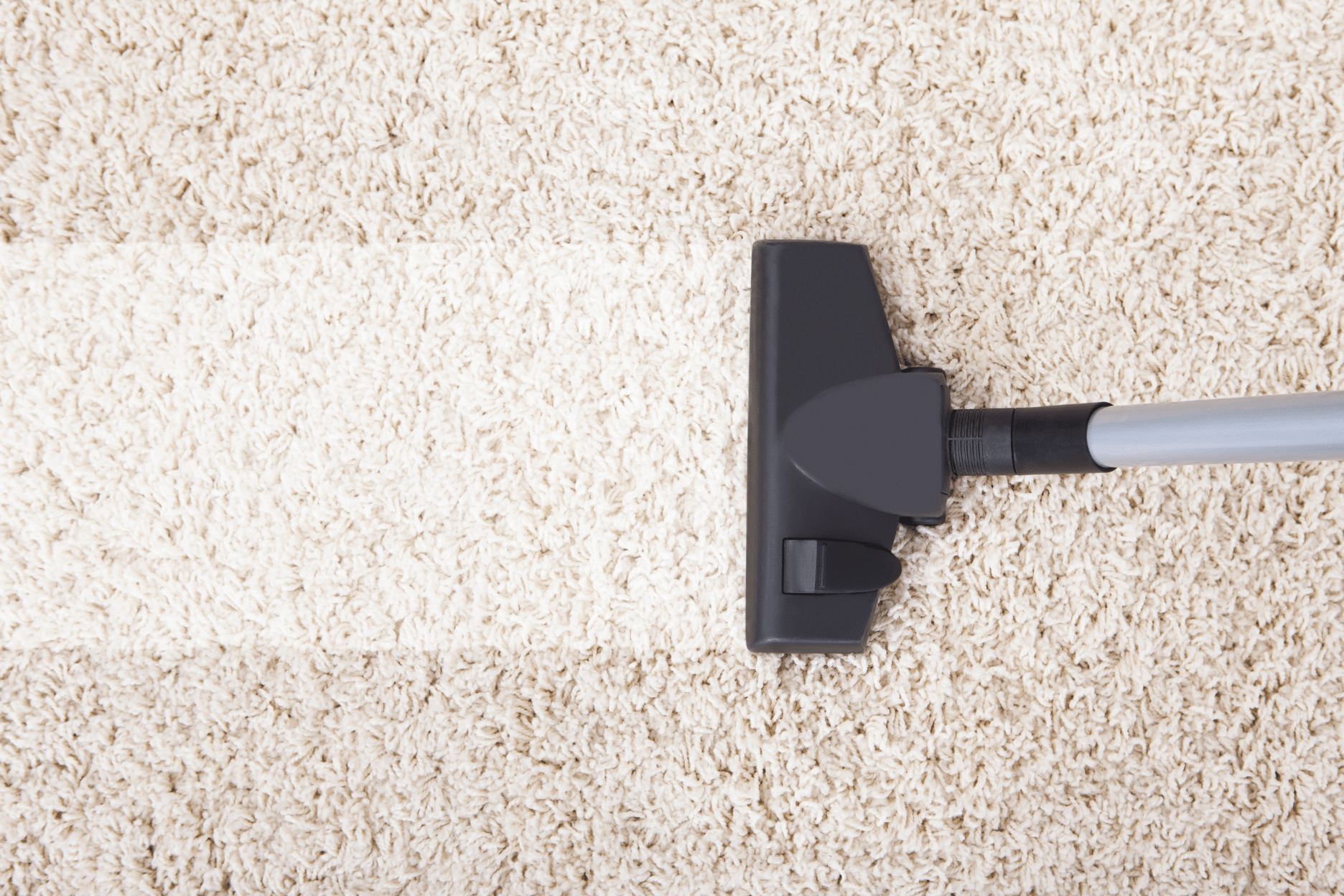
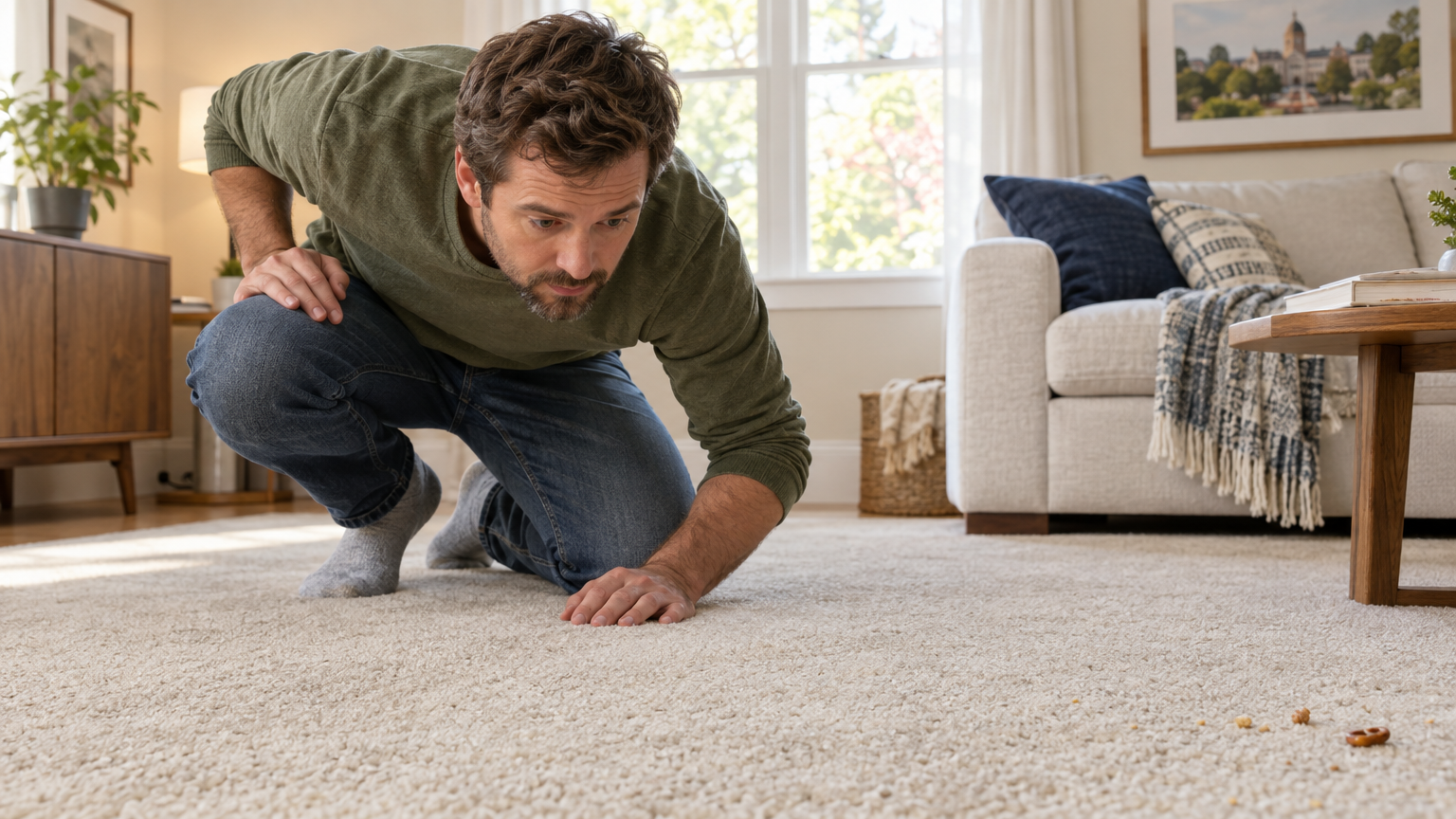
Let's talk about your carpet. I know, I know. You don't want to talk about your carpet. Nobody wakes up thinking, "Today feels like a carpet day." But your carpet has been putting up with an enormous amount of abuse — foot traffic, mystery spills, the dog's "incidents," the toddler's Cheeto archaeology — and it has never once complained. It just sits there, silently absorbing your household's chaos like a fibrous, wall-to-wall sponge of quiet suffering. At Victory RCS, we think about carpets more than is probably healthy for grown adults. But here's the thing: clean carpets aren't just about looking nice for the in-laws. They're about the actual health of your home. Dirty carpet holds onto dust, allergens, pet dander, and a shocking percentage of whatever your kids dragged in from outside, none of which you want to be breathing in on a daily basis. So let's walk through how to deal with stains, deep cleaning, and — the Mount Everest of household odor problems — pet accidents. Why Professional Carpet Cleaning Is Important (Or: Why Your Rental Steam Cleaner Is Not Fooling Anyone) Look, vacuuming is great. Vacuuming is a fine and noble activity, and I fully support it. But vacuuming only gets the dirt that is, essentially, standing on the surface waving a little flag. It does nothing for the dirt that has burrowed deep into your carpet fibers and set up a permanent residence, complete with a mailing address. This is where professional carpet cleaning comes in. At Victory RCS, our equipment gets the water hotter, the suction stronger, and the cleaning solutions considerably more aggressive than anything you can rent from a grocery store or order off the internet at 11 p.m. in a fit of desperation. We're also trained to avoid the classic do-it-yourself mistakes — over-wetting the carpet, mixing chemicals that were never meant to meet, or using the wrong process for the wrong fiber type, all of which can leave you with a carpet that looks worse than when you started, which is genuinely an impressive feat.  Yes, professional cleaning costs money. But so does replacing an entire carpet, which is what happens if you neglect it long enough. Professional cleaning extends the life of your carpet, improves your indoor air quality, and — this part is important — is often required to keep your carpet's manufacturer warranty valid. In other words, skipping it isn't just gross. It's expensive.
June 12, 2025
When fire damage hits your property, every minute counts in preventing further destruction and starting the fire damage repair process. I've seen firsthand how quick action and professional help can make the difference between saving or losing precious belongings and structural elements. Whether you're dealing with minor smoke damage or major structural issues, this guide will walk you through the essential steps of fire damage repair to get your property back to normal fast.  Fire Damage Repair: Steps to Rebuild and Restore Your Property Quickly Listen, dealing with fire damage is overwhelming - I get it. I've seen countless properties devastated by fire, and I know exactly what it takes to bring them back to life. Let me walk you through the exact process we use at Victory RCS to handle fire damage repair and restoration. The Reality of Fire Damage Fire doesn't just burn - it creates a complex web of damage. You're dealing with smoke, soot, water damage from firefighting efforts, and potential structural issues. Every hour that passes without proper intervention makes the damage worse. That's why you need to act fast, but smart.
woman with umbrella leaking roof
April 12, 2025
When disaster strikes and water wreaks havoc in your home, professional water damage restoration becomes your lifeline to recovery. I've seen homes transformed from water-logged nightmares back to their former glory, and trust me, quick action makes all the difference. Whether you're dealing with a burst pipe or flood damage, understanding the water damage restoration process is crucial for protecting your biggest investment and getting your life back on track. The Ultimate Guide to Water Damage Restoration: Protecting Your Home After a Disaster Let me tell you straight - water damage is no joke. I've seen homes destroyed because homeowners waited too long to act. As a restoration expert at Victory RCS, I'll walk you through everything you need to know about water damage restoration. What Is Water Damage Restoration? Water damage restoration is the process of returning your property to its pre-loss condition after water damage occurs. Think burst pipes, flooding, or that washing machine that decided to flood your laundry room at 2 AM. I've handled thousands of these cases, and trust me, quick action makes all the difference.
March 29, 2025
Dealing with mold removal after disasters can feel overwhelming, especially when you're already coping with water damage aftermath. I've helped countless homeowners tackle this challenge, and today, I'm sharing the exact process that works. From safety gear to proper cleanup techniques, these expert tips will guide you through effective mold removal after water damage, helping you protect your home and family. How to Safely Remove Mold After Water Damage: Expert Tips for Homeowners I've spent years dealing with mold remediation after disasters, and I'll tell you exactly what works. Here's the deal: when water damage hits, mold can start growing within 24-48 hours. I've seen countless homes where small water issues turned into massive mold problems because homeowners waited too long. Let me walk you through the exact process we use at Victory RCS to handle mold safely and effectively. Step 1: Assess the Damage (Do This First) First thing I do on every job is grab my moisture meter. You'd be shocked how often mold hides behind seemingly dry walls. Here's what I check: - Wall moisture levels (anything above 20% needs attention) - Hidden spaces behind baseboards - Under carpets and padding - Inside wall cavities using specialized probes Pro tip : That musty smell? It's often your first warning sign of hidden mold. 
March 16, 2025
Dealing with different types of storm damage can turn your world upside down - trust me, I've been there. Whether it's a fierce hurricane, nasty hailstorm, or unexpected flood, knowing what you're up against is half the battle won. Let's dive into the most common types of storm damage you need to watch out for, so you can protect your home and keep your family safe.
February 1, 2025
Maintaining hardwood floors during winter doesn't have to be a headache - I've discovered some game-changing tricks that'll keep your floors looking fresh even when the weather's brutal. Let me share my top winter maintenance tips that'll help protect your hardwood floors during these cold months, saving you both stress and money.
December 3, 2024
Want to prepare your home for winter weather but not sure where to start? I've learned the hard way (after a frozen pipe disaster) that getting ahead of winter prep can save you thousands in repairs and headaches. Let me share my top winter-proofing strategies that'll help you protect your home and keep your family cozy when those temperatures drop. How to Prepare Your Home for Winter Weather: A Complete Guide Winter's coming, and I've seen too many homeowners scramble at the last minute to protect their homes. As a home maintenance expert, I'll share exactly what you need to do to winterize your home properly. Let's get straight to the practical steps that actually work. Outdoor Preparations (The Most Critical Part)
October 16, 2024
Ever faced a water disaster at your business? Trust me, it's not fun. But don't panic - there's hope. Let's chat about commercial water damage cleanup and restoration - your lifeline when things get wet. Commercial Water Damage Cleanup and Restoration: Your Ultimate Guide When disaster strikes, you need a plan. Fast. Commercial water damage can wreck your business if you're not ready. I've seen it happen too many times. Let's dive into what you need to know about commercial water damage cleanup and restoration. Why Quick Action Matters Time is money, especially when water's involved. The longer you wait, the worse it gets. Mold can start growing in just 24-48 hours. That's why immediate response is crucial for commercial water damage. Delay, and you're looking at: - More extensive damage - Higher repair costs - Longer downtime - Unhappy customers and employees