Crawl Space Moisture in Athens, GA: What's Growing Down There While You're Not Looking
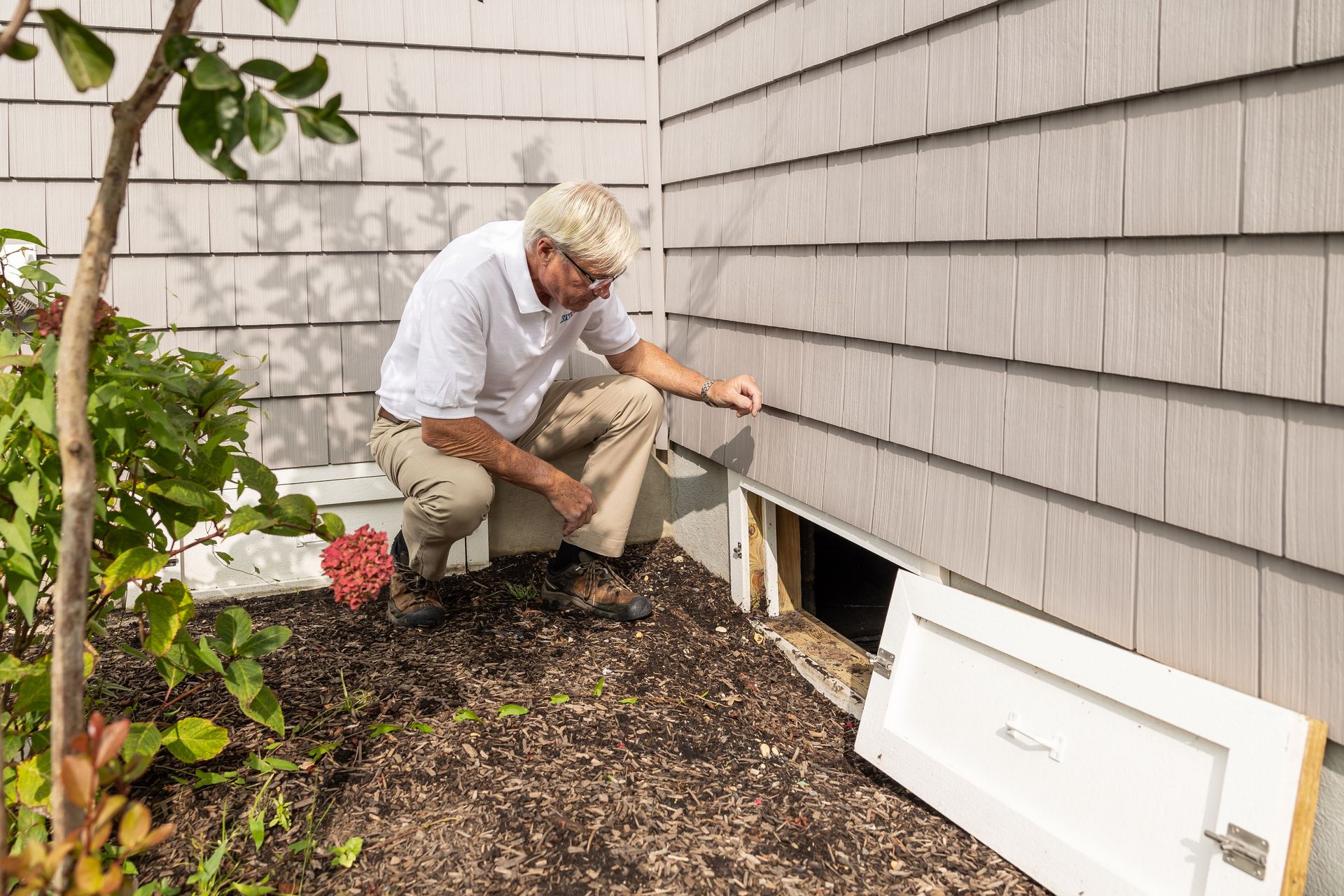
Somewhere beneath your Athens-area home, right now, there is a four-foot-tall crawl space that you have not visited since the Clinton administration. This is not a coincidence. Crawl spaces are specifically designed by architects to be the one part of your house that nobody ever looks at, which is exactly why they are so good at quietly turning into a swamp.
Here's the thing about crawl space moisture in Athens, GA: it doesn't announce itself with fireworks. It doesn't send a memo. It just sits down there in the dark — after a hard rain, after a slow plumbing leak, after a summer of Georgia humidity that could steam a dumpling — patiently ruining your insulation and plotting its long-term goal, which is mold. And mold's long-term goal is to move into your living room without paying rent.
By the time you notice a musty smell drifting up through the floorboards, the situation under your house has often been developing for months, like a conspiracy, or a teenager's bedroom. This article will tell you what to look for, what not to touch, and when to call people — specifically Victory RCS — who are professionally unafraid of crawl spaces.
Why Crawl Spaces Develop Moisture Problems
Water gets under your house the way raccoons get into your garbage: persistently, creatively, and via routes you didn't know existed.
Heavy rain and poor drainage around the foundation
Athens gets some genuinely committed rainstorms, the kind that make your gutters sound like Niagara Falls having a bad day. If those gutters are clogged, or your downspouts are dumping water four inches from your foundation instead of four feet, that water is going to do the sensible thing and go underneath your house, because water is lazy and your crawl space is right there. Standing water in a crawl space is not one of those "check it eventually" problems. Check it after every big storm, the same way you'd check whether the dog got into the trash — because the outcome is similarly unpleasant and similarly avoidable.
Plumbing leaks and appliance-related water intrusion
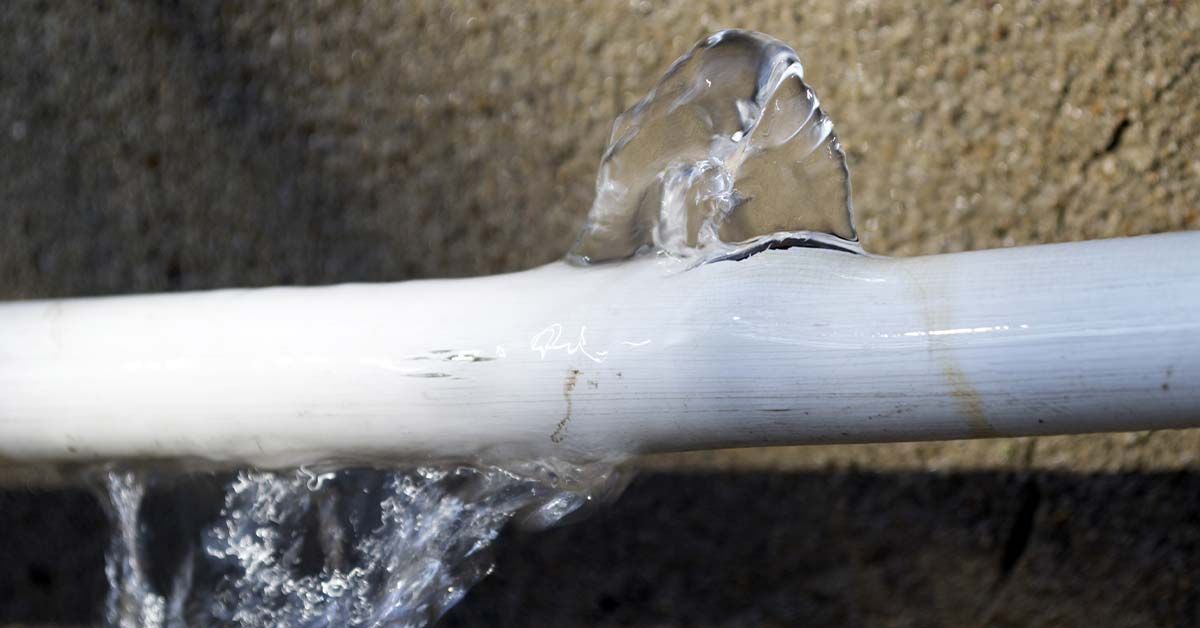
Not every crawl-space disaster shows up as a flood. Sometimes it's a slow drip under the kitchen or bathroom, quietly soaking the same six square feet of subfloor for eleven months, minding its own business, saying nothing, like a mole in a spy novel. You often don't find these until there's a smell, a stain, or a suspiciously soft spot in the hallway floor.
Humid air, condensation, and vapor from exposed soil
Even with no leak and no flood, Georgia's summer air is basically water wearing a disguise. That crawl space humidity condenses on cool pipes, ductwork, and framing, the same way your iced tea glass sweats on the porch, except your iced tea glass is not structurally load-bearing.
Storm damage and roof or exterior leaks
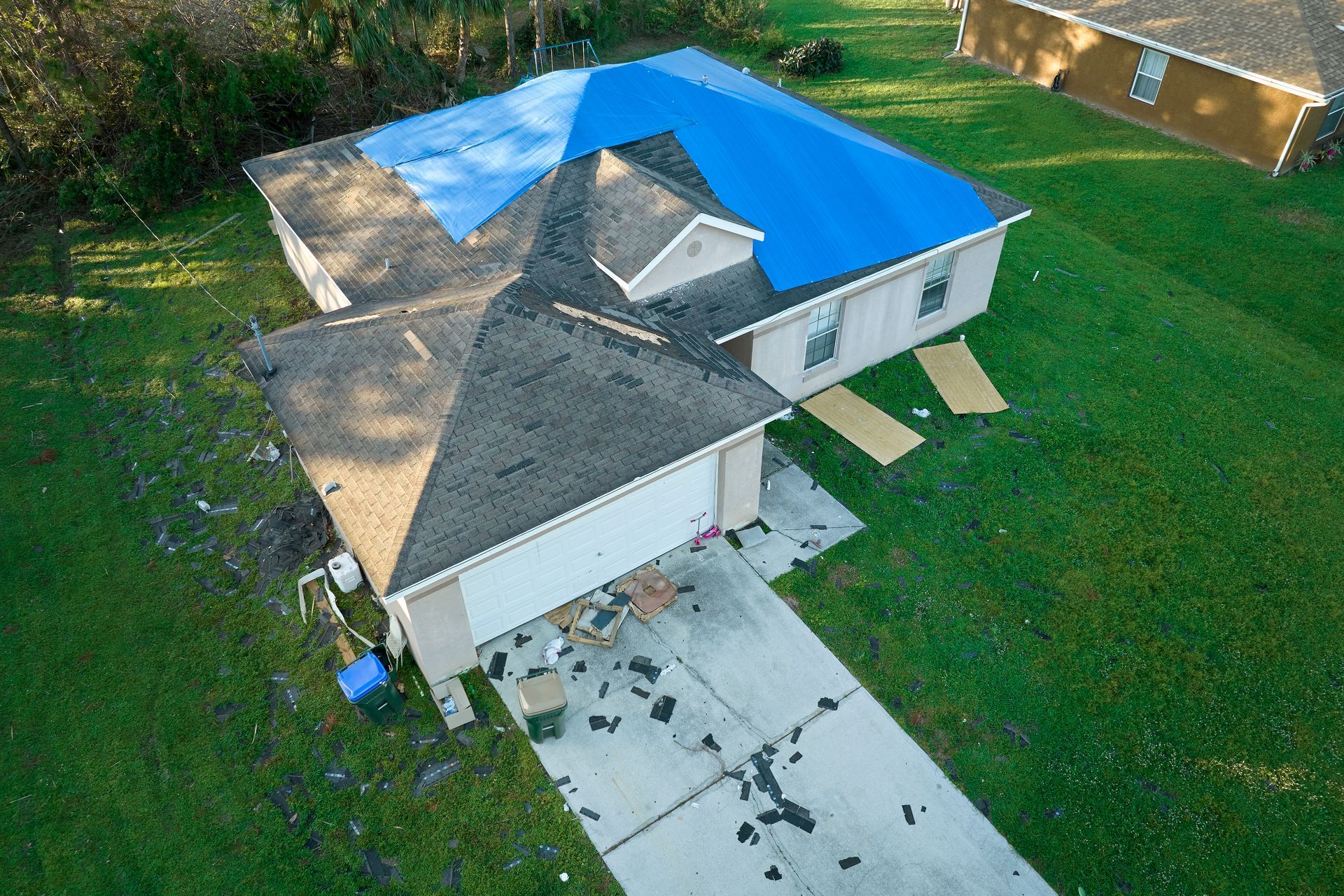
Water from storm damage doesn't always politely announce itself with a ceiling stain. It can travel sideways along exterior walls, sneak in through utility penetrations, and arrive at your crawl space having taken the scenic route.
7 Warning Signs of Crawl Space Moisture or Mold
Below is a list. Dave Barry — and, more importantly, restoration professionals — love a good list, because it means you can stop reading paragraphs and just check boxes, which is the closest thing to a vacation that homeownership offers.
- A persistent musty smell inside the home. If your living room smells like a gym sock convention and you haven't hosted one recently, the odor may be rising from damp materials or growth below the house.
- Standing water, muddy soil, or unusually damp ground. Even a shallow puddle down there deserves a second look, especially if it keeps returning after every rain like an uninvited relative.
- Wet, sagging, compressed, or fallen insulation. Insulation that's holding water isn't insulating anything; it's just very sad, waterlogged pink cotton candy that needs to be assessed.
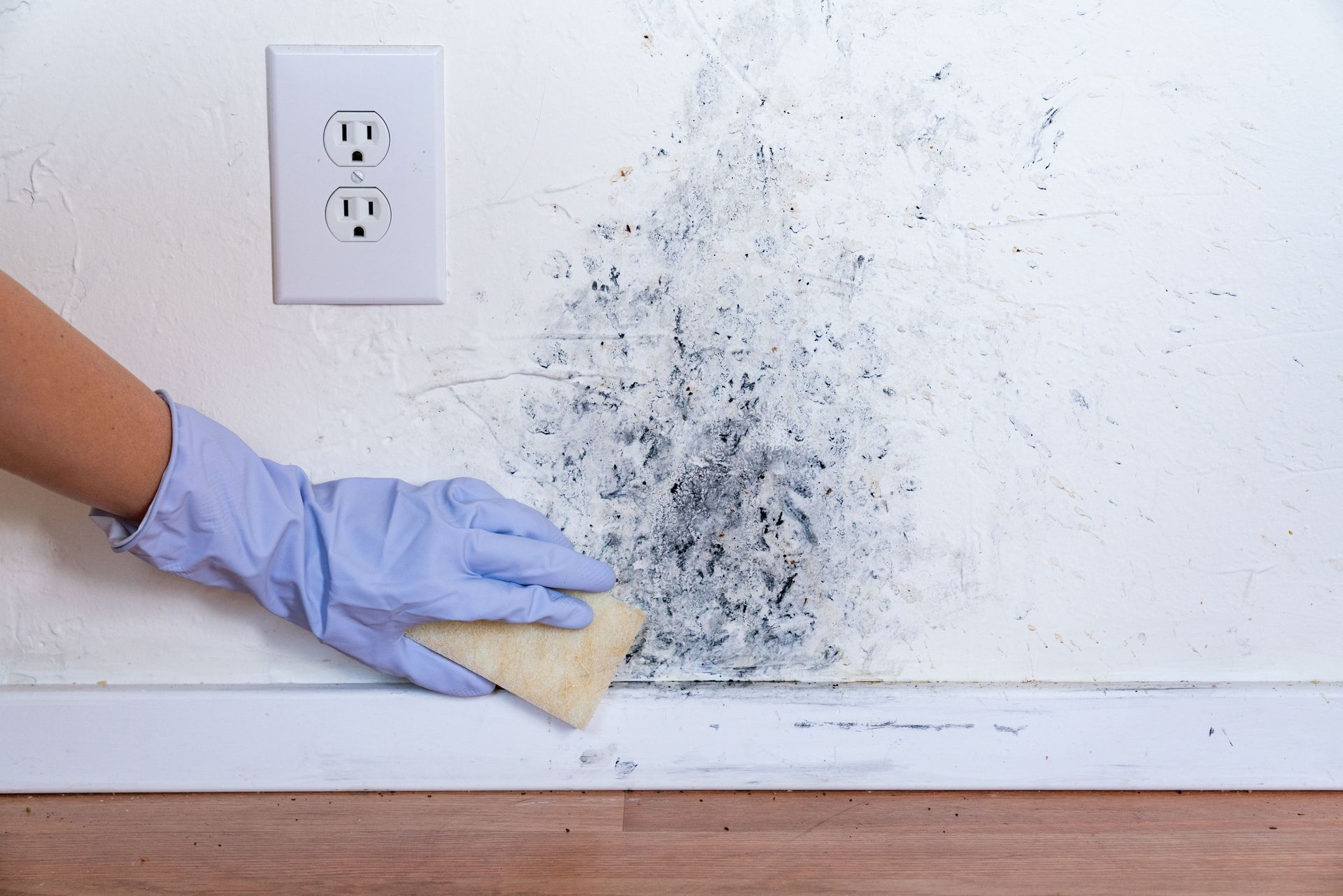
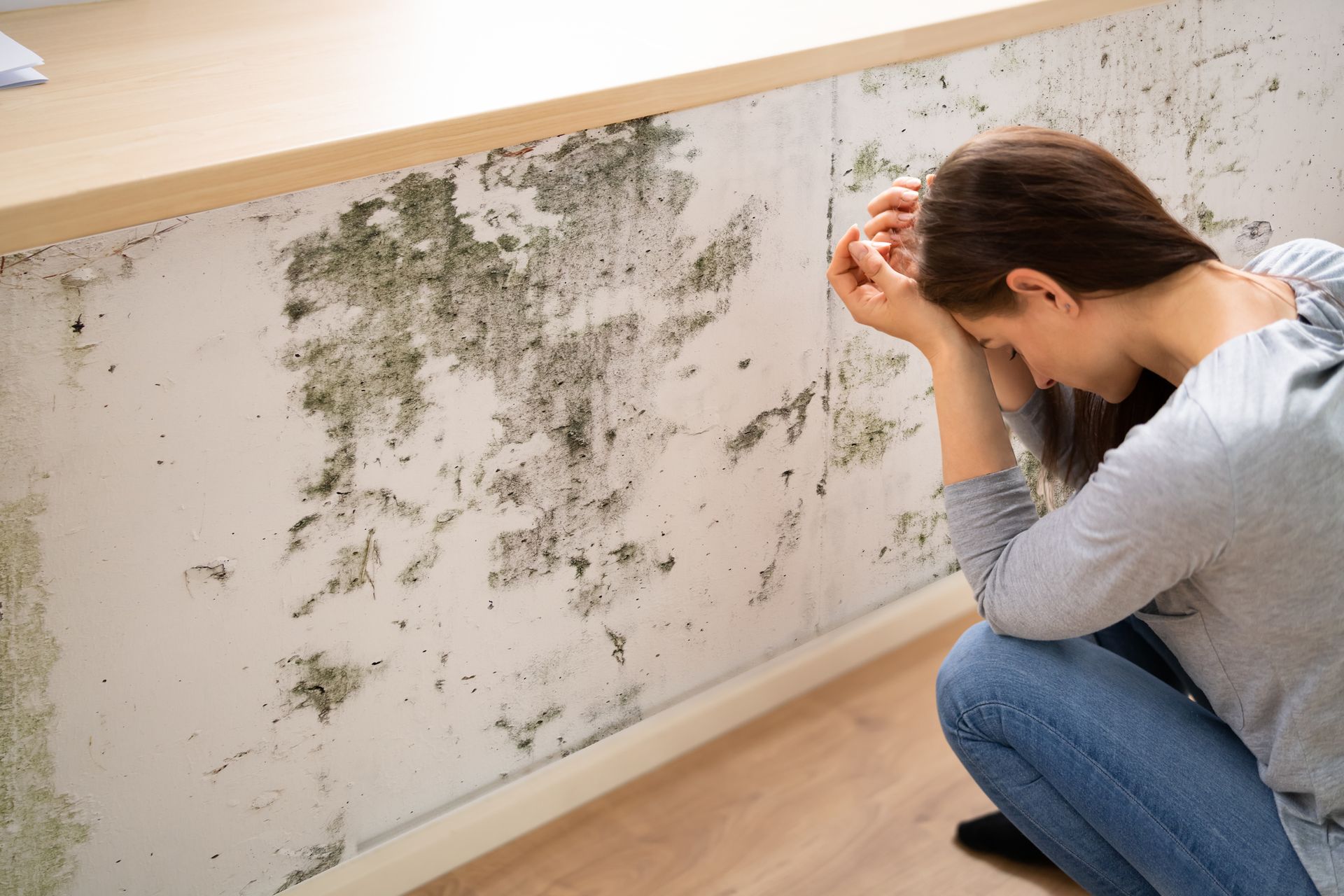
- Visible mold-like growth on framing, insulation, or surfaces. No need to play amateur mycologist and try to identify the species. Any visible growth, especially where moisture is still active, should be evaluated by someone whose job this actually is.
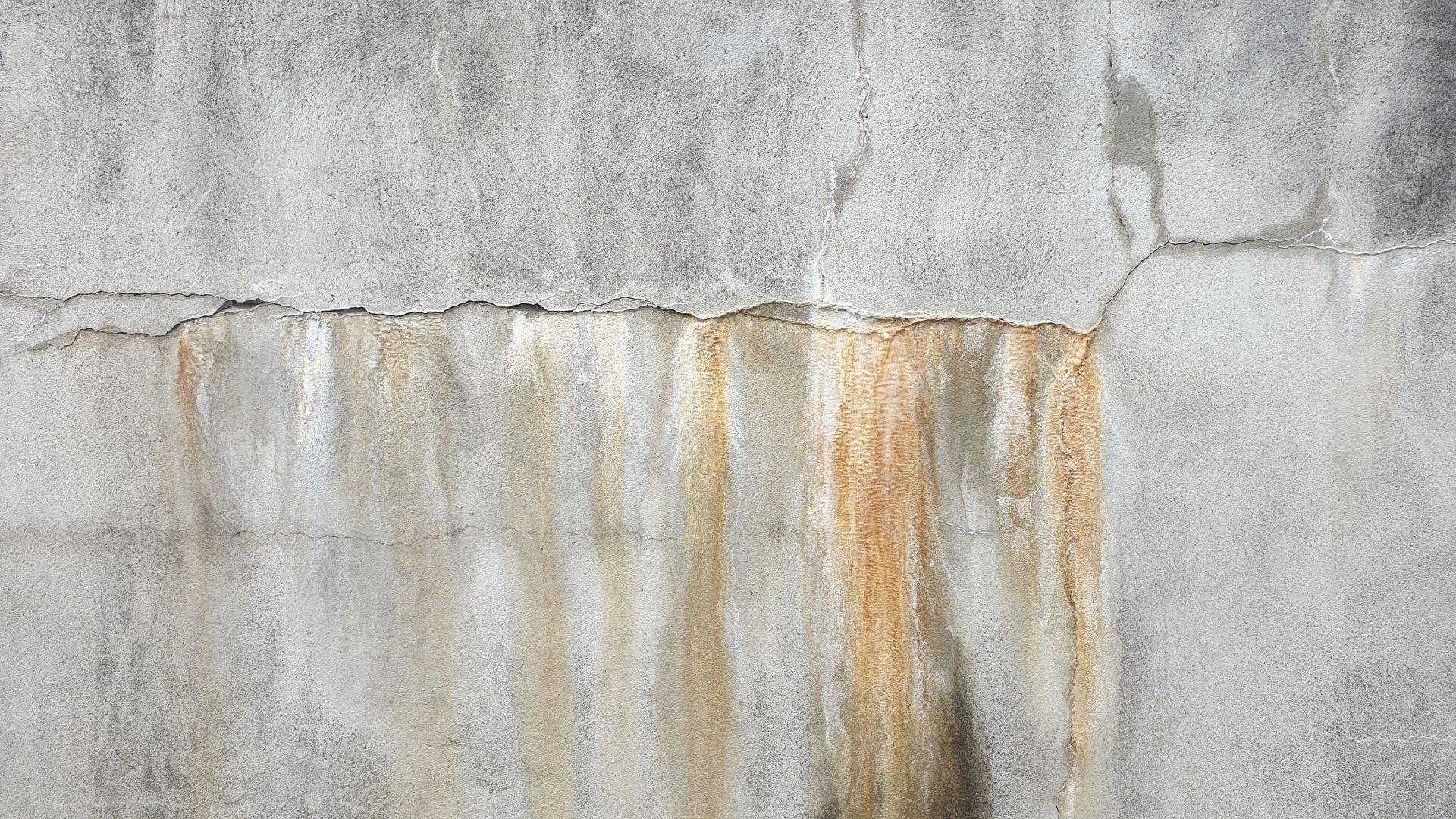
- Condensation on pipes, ductwork, or foundation walls. This is your crawl space's way of sweating nervously, and it usually means humidity levels down there are chronically high.
- Warped, soft, uneven, or squeaky floors above the crawl space. Floors are not supposed to have opinions about where you step. If yours does, water may have been working on your subflooring for a while.
- Signs of pests, wood deterioration, or rusting metal components. Moisture creates a five-star resort environment for problems that have nothing to do with mold, which is the universe's way of never letting a homeowner catch a break.
If you already know your home needs mold remediation or is dealing with water damage, or you suspect fallout from recent storm damage, those are exactly the situations this list is built to catch early.
Can Crawl Space Moisture Lead to Mold?
Yes. Full stop, no plot twist. Persistent moisture is basically a welcome mat for mold, and mold reads welcome mats extremely well.
The tricky part isn't the mold you can see — it's the mold you can't, quietly working through insulation, framing, and subfloor materials in the dark like it's got somewhere important to be. And no, bleach is not the answer, despite what a well-meaning relative or the internet may have told you at some point over a beer. Bleach on a structural mold problem is like putting a Band-Aid on a submarine. Real remediation means finding and fixing the actual moisture source, properly treating or removing affected materials, and confirming the space is dry enough that mold doesn't just move right back in with its furniture.
What to Do When You Find Water or Suspect Mold
Here is a numbered, mostly-serious action plan for the moment you discover your crawl space has been up to something.
- Prioritize safety before entering. Do not crawl into standing water if there's any chance of electrical hazards, unstable footing, wildlife, sewage contamination, or an entry point better suited to a badger than a human.
- Document what you can safely see. Photos and video from a safe vantage point. Note when you noticed it and whether it followed a storm, a leak, or just a persistent smell that finally got annoying enough to investigate.
- Reduce the active source if you can. Shut off a known leak, redirect a downspout, call a plumber for anything actively gushing.
- Avoid disturbing suspected mold or contaminated insulation. This is not the moment for aggressive scrubbing, DIY removal, or a can of something under the sink. Confined spaces and unknown contamination don't mix well with improvisation.
- Contact the appropriate professional promptly. This is where Victory RCS comes in — water extraction, structural drying, moisture assessment, and mold remediation, handled by people who do this for a living instead of watching a video about it.
- Notify your insurance carrier when the event may be covered. Document the damage, keep an inventory, take photos, and check your policy for any specific contractor requirements before work begins.
How Professional Crawl Space Restoration Helps
Inspection and moisture-source identification. Professionals figure out where the water is actually entering and pooling — not just where it's most visible, which are often two very different addresses.
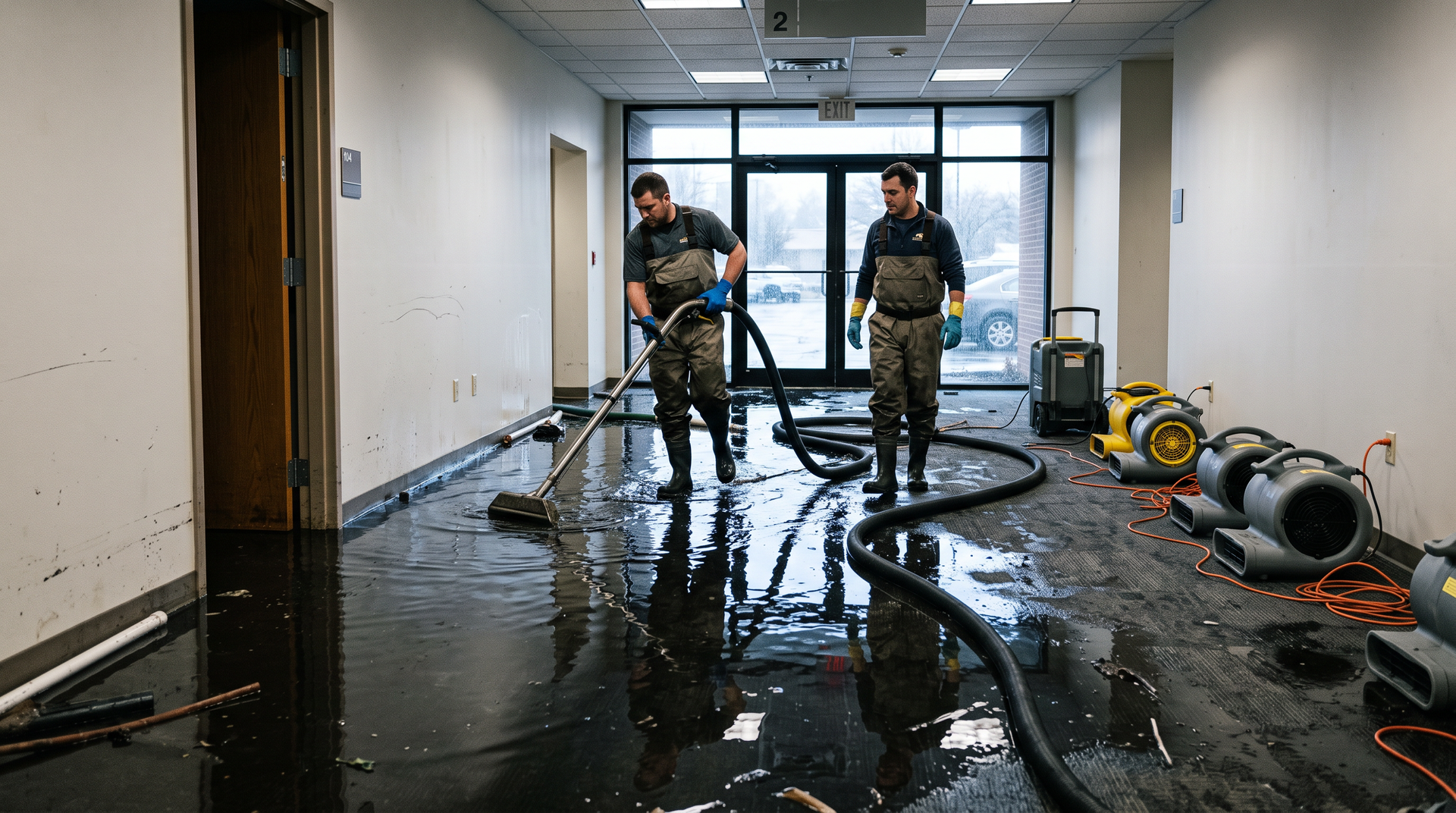
Water removal and structural drying. Mitigation is more than mopping up what you can see. It typically involves extraction equipment, structural drying, and ongoing moisture monitoring until the space is genuinely dry, not just dry-ish.
Mold remediation when required. Containment, HEPA filtration, proper removal or cleaning of affected materials, and correcting the moisture source so the problem doesn't simply reboot itself in six months.
Documentation and insurance support. Clear photos, inventories, and paperwork make it considerably easier to communicate with your insurance carrier, which is otherwise an experience roughly as fun as crawling under the house yourself.
Preventing Future Crawl Space Moisture
A little maintenance now beats a major restoration project later, the same way flossing beats a root canal, and considerably less painfully.
- Keep gutters clean and make sure downspouts send water well away from the foundation.
- Walk the property after heavy rain and look for pooling water, erosion, or water sitting against foundation walls.
- Fix plumbing leaks quickly, including the slow, boring drips under kitchens and bathrooms that never seem urgent until they very much are.
- Pay attention to persistent odors, indoor humidity, damp flooring, or insulation that's suddenly looking worse for wear.
- Maintain landscaping and grading so water flows away from the house instead of toward it, because water, again, is lazy and will take the path of least resistance straight under your floor.
- Schedule a professional inspection if moisture keeps coming back, insulation stays damp, or you suspect mold.
- If you're weighing crawl-space sealing, dehumidification, drainage improvements, or vapor barriers, get recommendations based on your home's actual water source — treating symptoms without finding the cause is like repainting over a leak.
Get Crawl Space Moisture Help in Athens, GA
If you've found standing water under your home, wet insulation, a musty smell that won't quit, or suspected crawl space mold, don't wait for it to spread — it will, and it will not wait politely.
Victory RCS helps homeowners and businesses across Athens, Winterville, Oconee County, and Northeast Georgia respond to water damage, identify moisture-related problems, and handle mold concerns with real restoration expertise — not a bottle of bleach and good intentions.
Call 706-410-1241 or request a free quote at victoryrcs.com and let someone else deal with what's under your house. That's what we're here for.