Labor Day: The One Weekend a Year America Tries to Destroy Its Own House
September 7, 2026

Labor Day, in case you have forgotten, is the holiday where we honor the American worker by refusing to do any work whatsoever, except for the specific kind of work that involves standing over an open flame holding a spatula and shouting at relatives. This is a tradition. It is also, according to absolutely nobody's official statistics except mine, the single most dangerous weekend of the year for a typical American home.


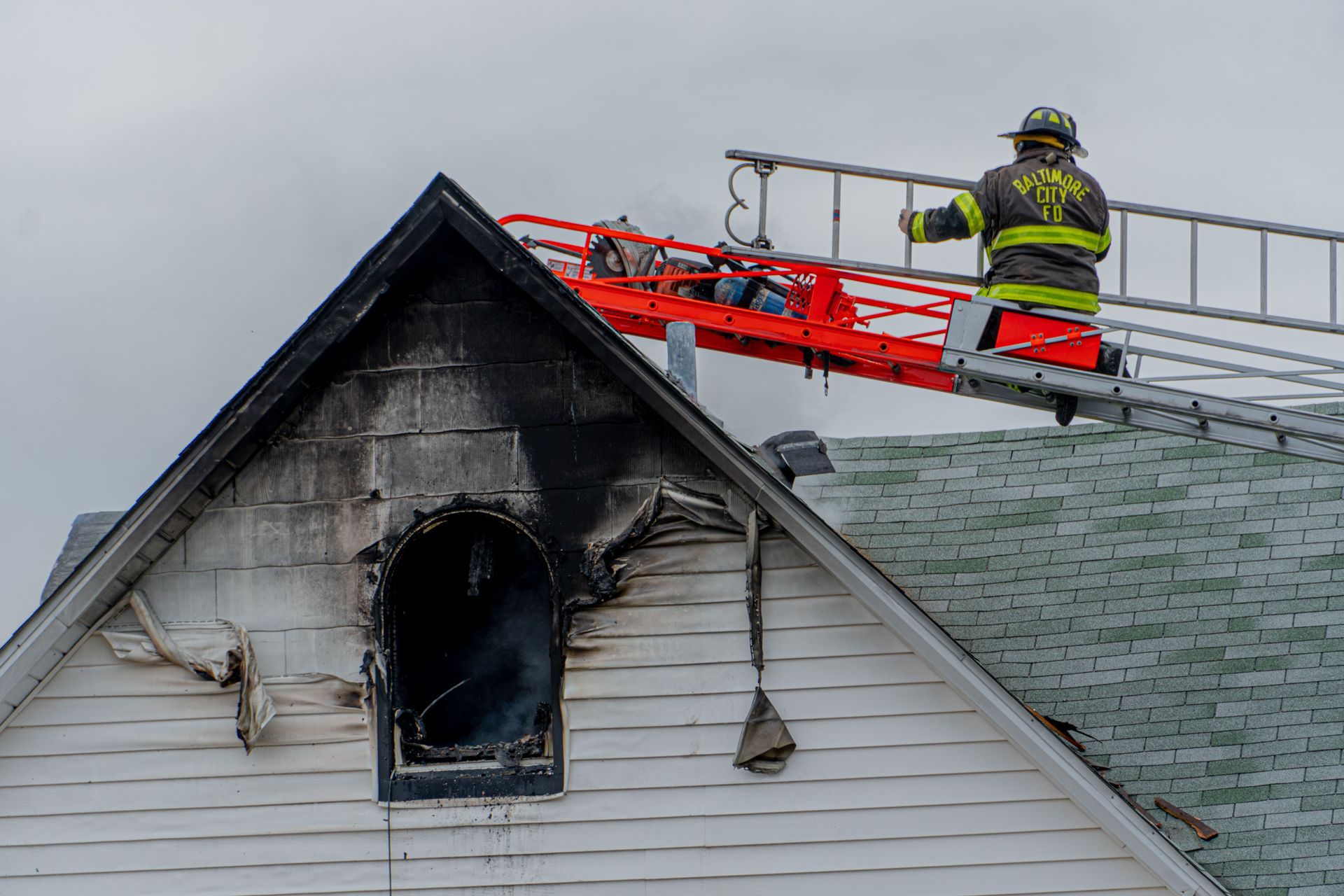
I know this because I have spent time looking into it, in the sense that I have talked to people at Victory Restoration & Cleaning Service (RCS), a fire and water damage restoration company that spends every Labor Day Tuesday morning surveying the wreckage of what used to be somebody's living room. These are professionals. They have seen things. And what they have seen, mostly, is grills.


Beat One: The Grill Is Not Your Friend


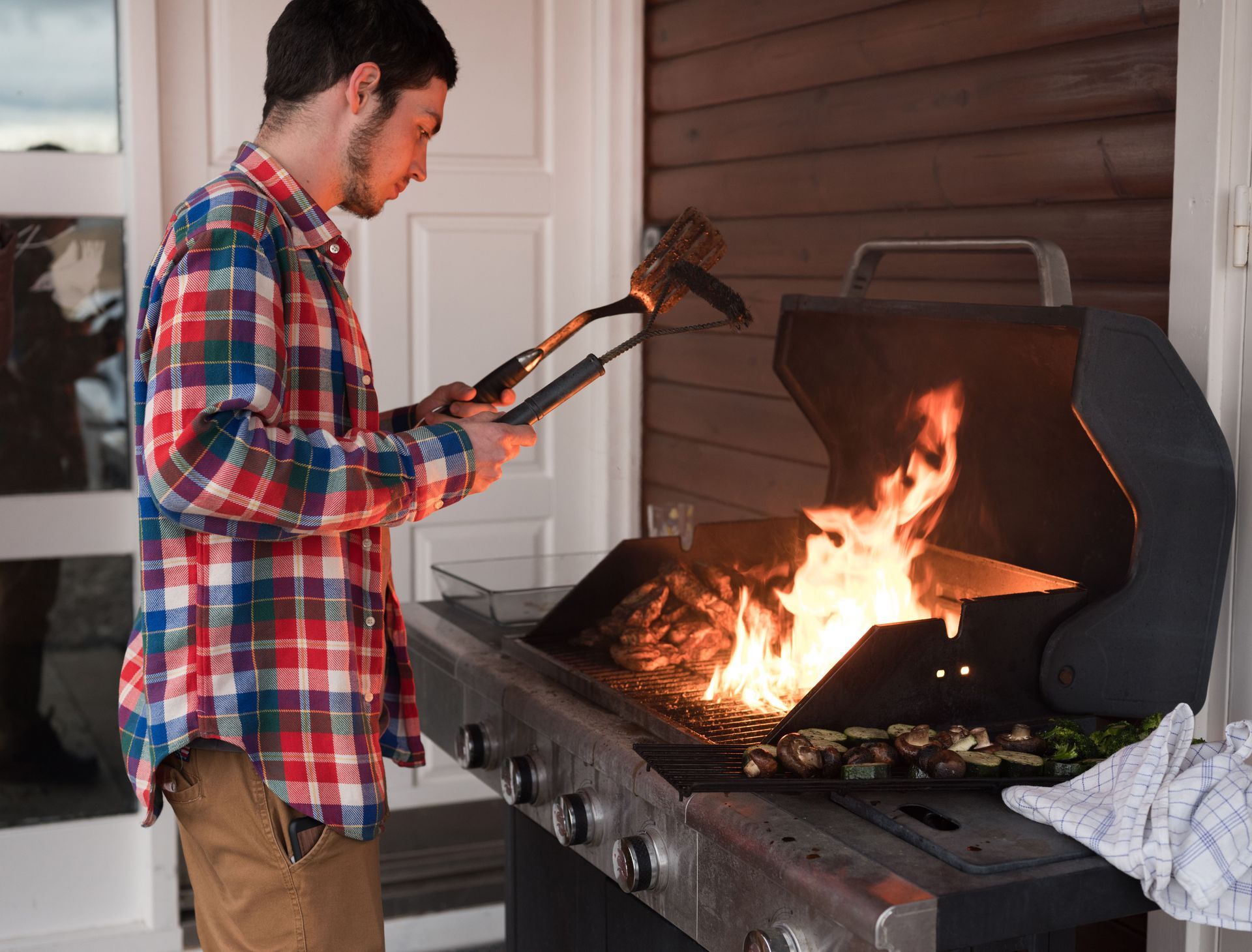
Here is a fact I am not making up: more house fires occur around Labor Day than at almost any other point in late summer, and the leading cause is something called "the grill was fine 20 minutes ago." Americans will take a device that produces open flame and 700-degree heat, place it eleven inches from a wooden deck railing, add lighter fluid "just to be safe," and then go inside to watch football, because at that point Labor Day physics takes over and something, somewhere, is going to catch fire. It is basically a law of nature, like gravity, or the fact that potato salad left out for four hours will eventually achieve sentience.


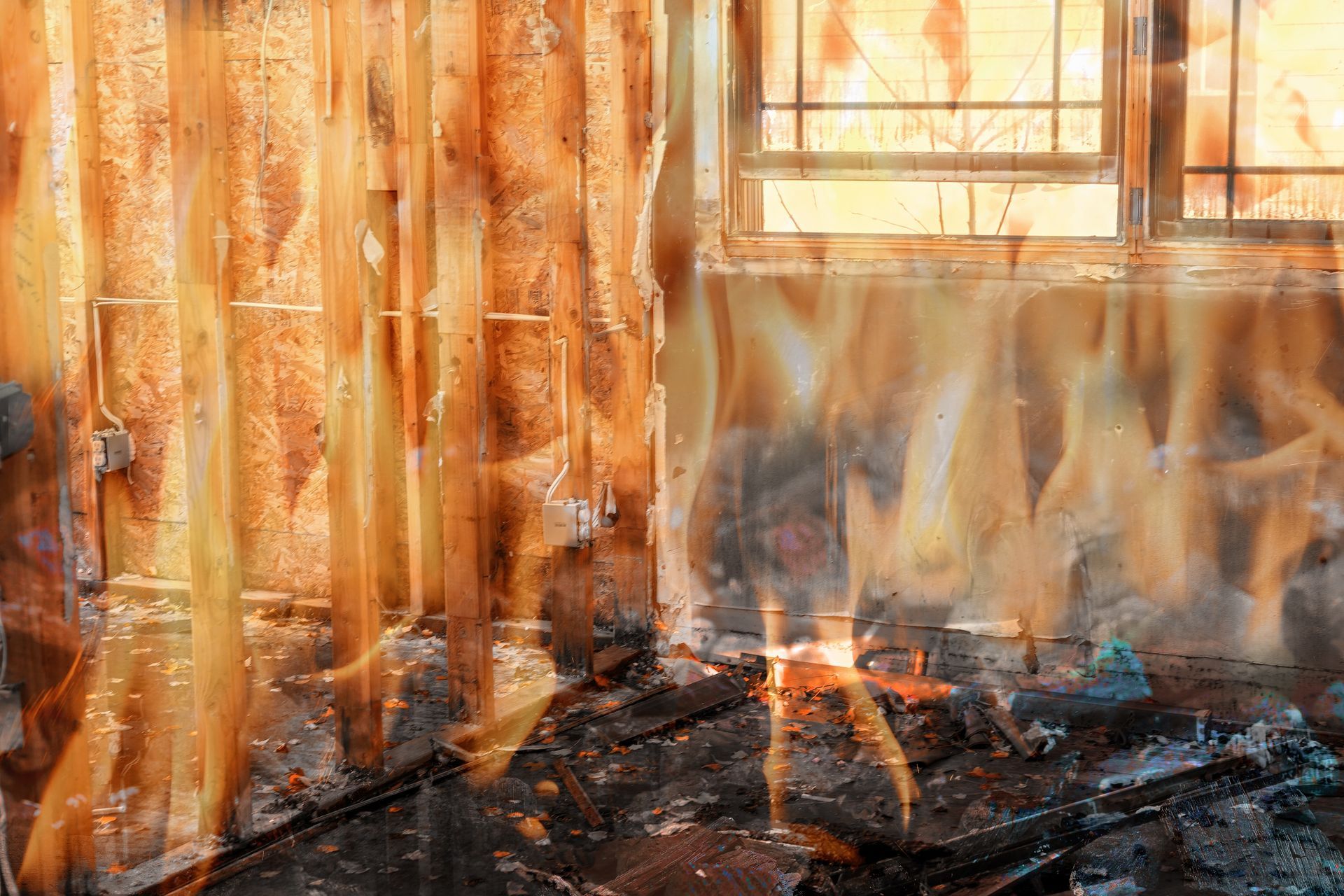
When the grill fire does happen — and Victory RCS will tell you it happens constantly — you are no longer dealing with a cookout. You are dealing with smoke damage that has crawled into your carpet, your drapes, your ductwork, and possibly your soul, and it does not leave without professional help. Smoke odor removal and fire damage restoration are not a "wipe it down with a paper towel" situation. They are a "call people who own actual equipment" situation.


Beat Two: Meanwhile, Somewhere, a Pipe Is Also Failing

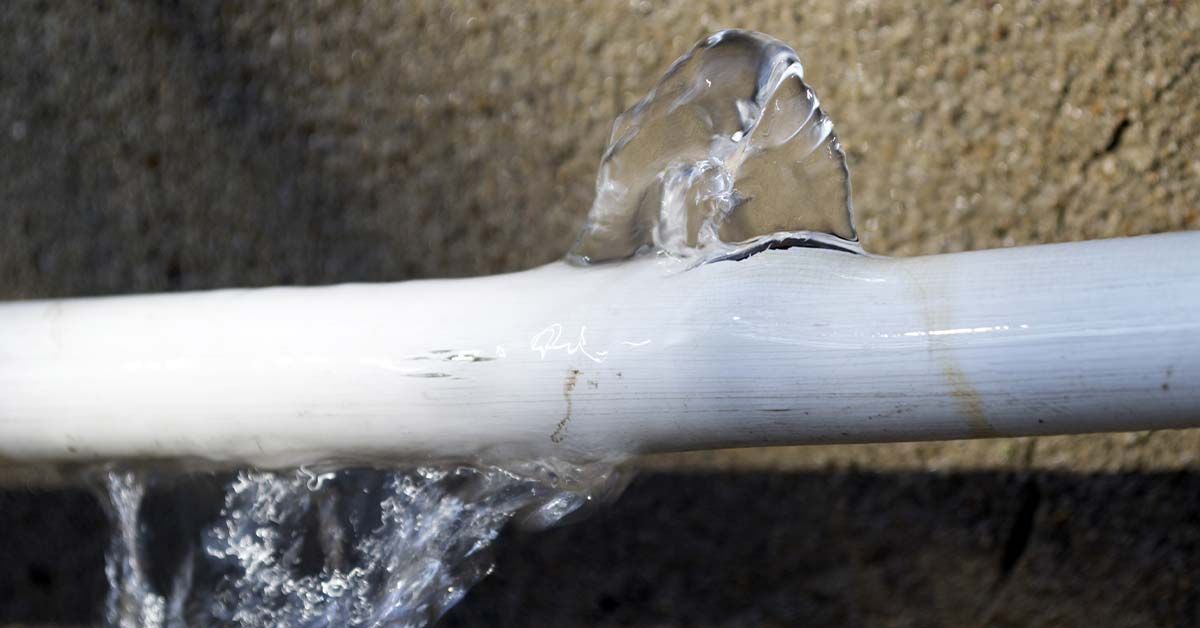
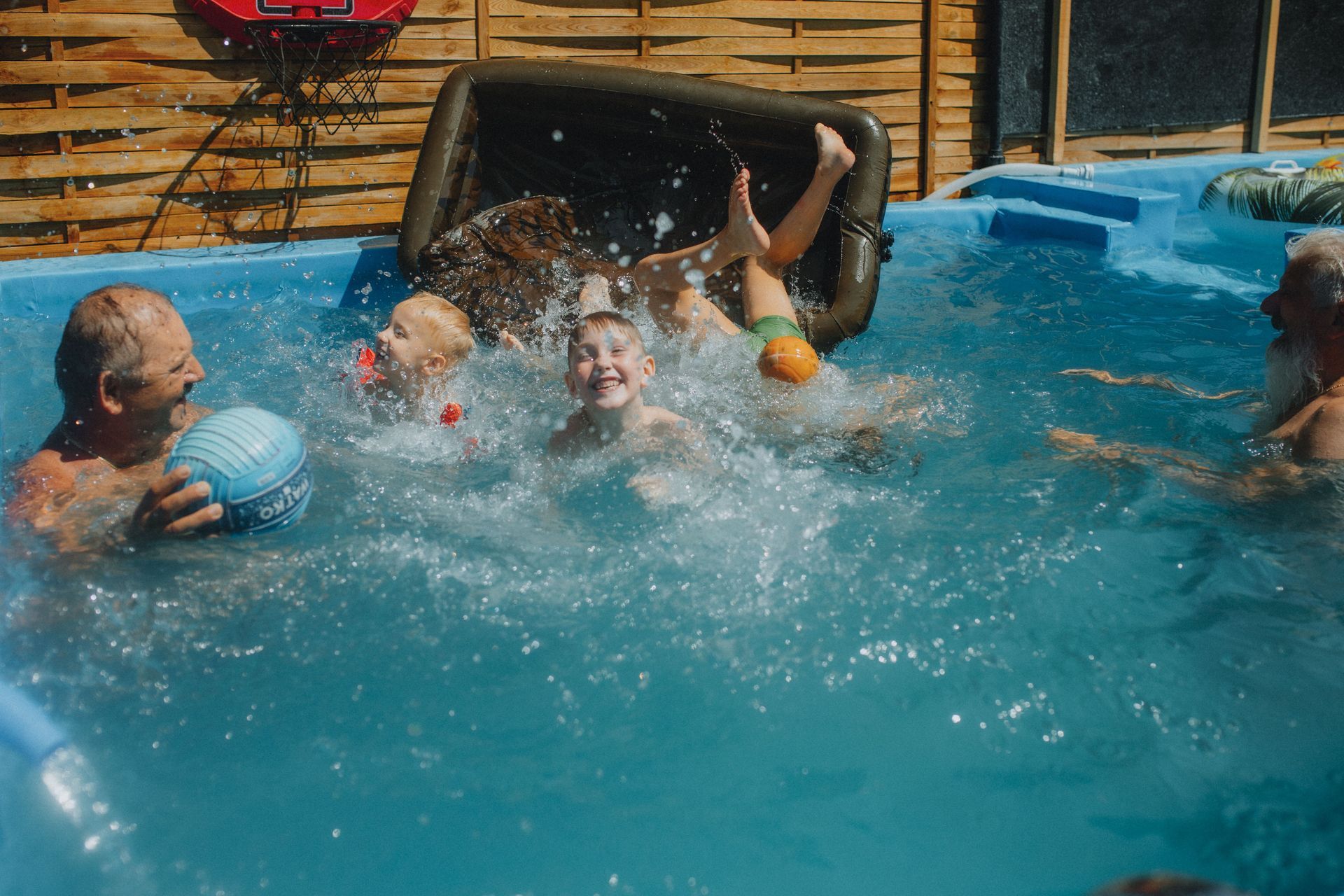
While the grill situation develops, a second Labor Day disaster is quietly assembling itself, and it involves water. Maybe it's the above-ground pool that a father-in-law insisted could hold "at least a foot more" than the manufacturer's very clearly printed specifications. Maybe it's the washing machine, running a fourth load of towels because fourteen relatives showed up, that finally gives up and floods the laundry room. Maybe it's just Georgia, doing what Georgia does in late summer, which is producing a thunderstorm with the emotional intensity of a telenovela finale.


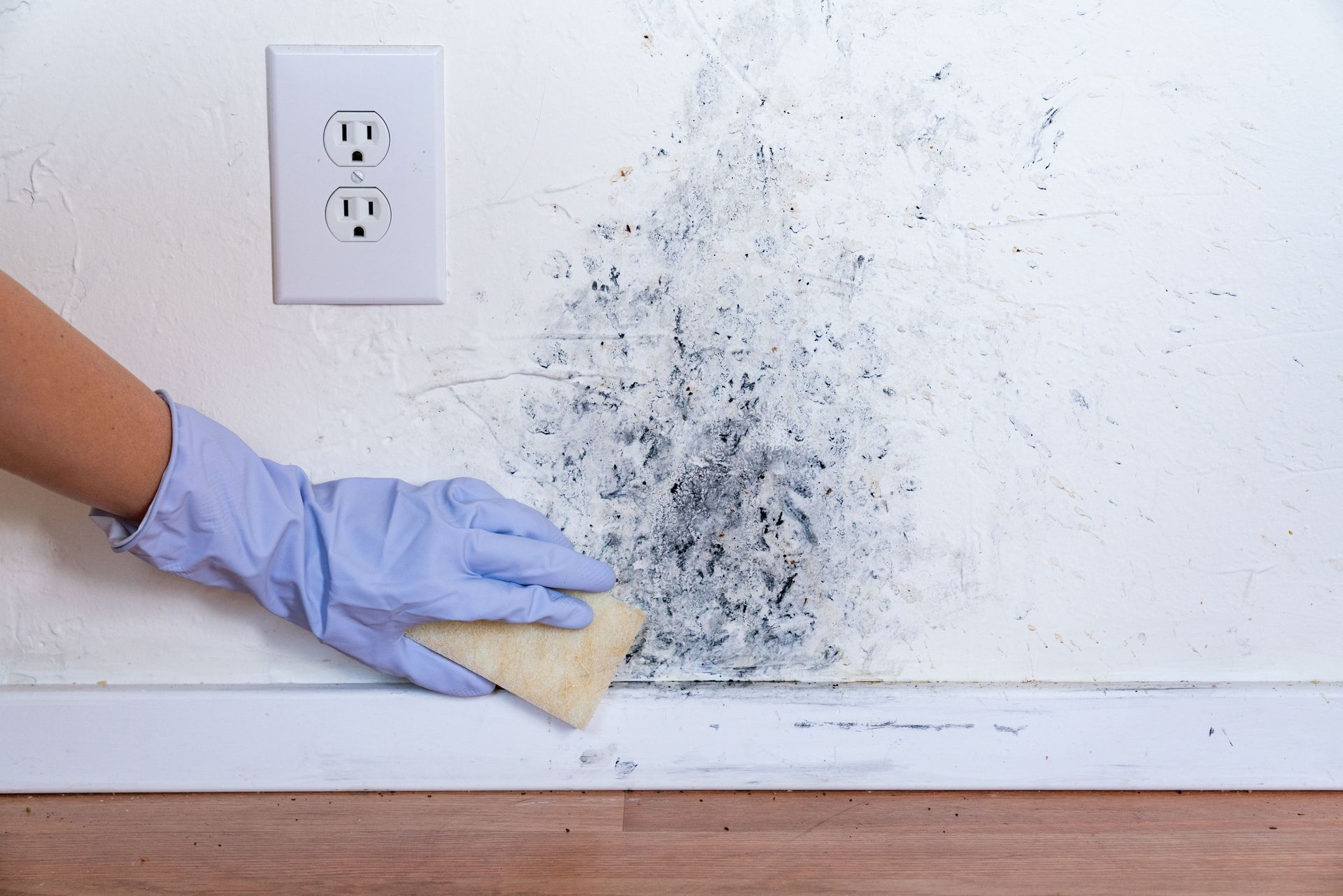
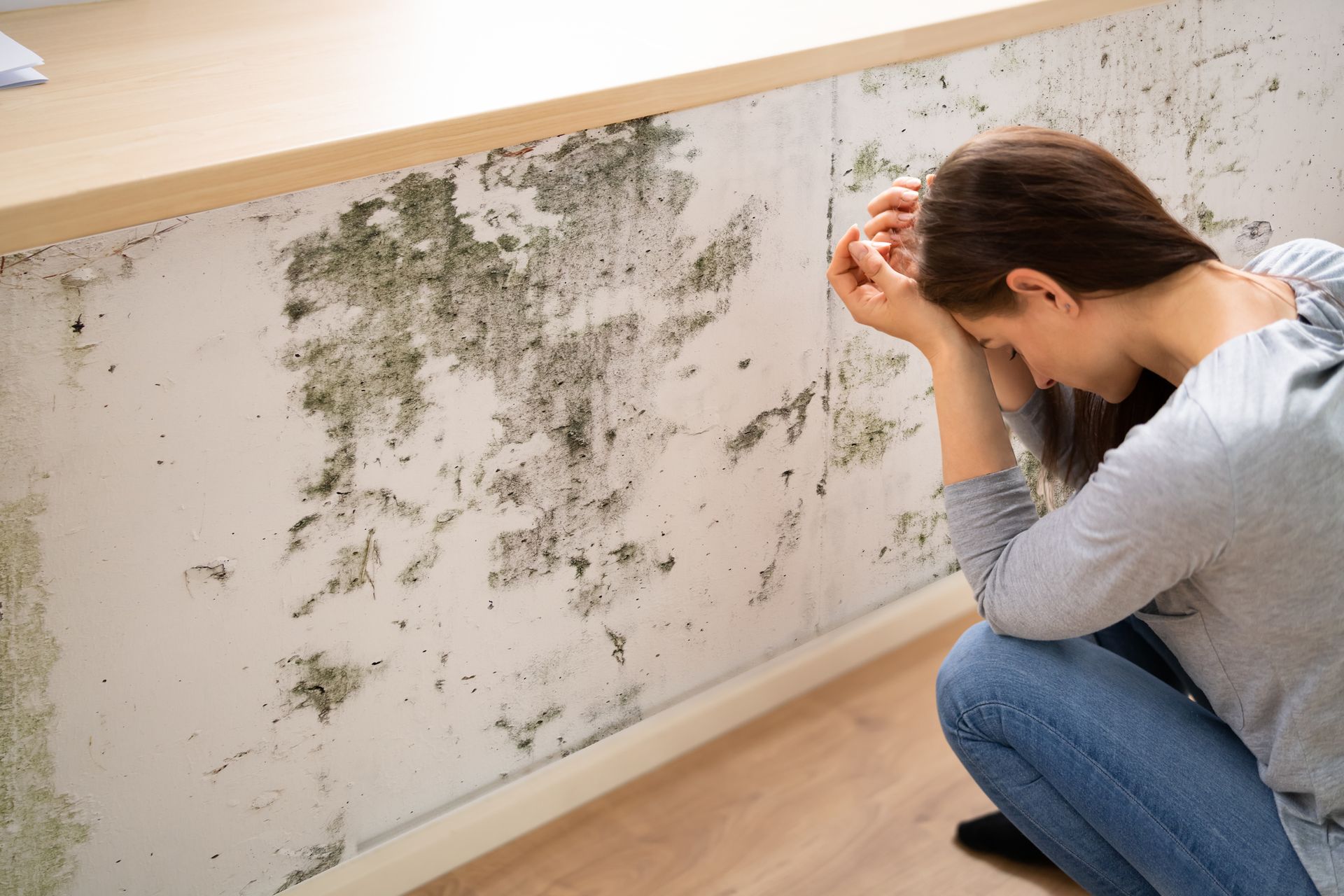
Whatever the source, water damage is sneaky. It looks like it dried up. It did not dry up. It went into your subfloor and is currently throwing a three-week party for mold spores, who, unlike your relatives, never leave on their own. Mold remediation is not optional once this starts — it is a "call now before it becomes a structural problem" situation, and Victory RCS's technicians will confirm, with the weary patience of people who have said this ten thousand times, that "it'll probably dry out" is not a plan.



Beat Three: The DIY Renovation, or, "How Hard Could It Be"

Because Labor Day is also the unofficial last long weekend of summer, it is prime season for the DIY home project — the one where a homeowner decides that three days off work is plenty of time to remove old carpet, retile a bathroom, or refinish the VCT tile in the basement rec room. Reader, it is not plenty of time. By Sunday afternoon there is drywall dust in places drywall dust has no business being, a stack of old flooring in the driveway, and a general household mood best described as "regretful."


This is where construction clean-up comes in, and it is a real service, not a punishment, though sometimes it feels like both. Somebody has to haul the debris, vacuum the fine dust that has settled into every surface like a light snow, and get the floors — carpet, tile, whatever — back into a condition where guests can walk across them without sneezing.


A Public-Service Field Guide to the Labor Day Household


  1. The Grill Fire. Cause: optimism. Fix: fire damage restoration, smoke odor removal.
  2. The Pool Overflow. Cause: a father-in-law's confidence. Fix: water extraction, drying, mold prevention.
  3. The Flooded Laundry Room. Cause: fourteen relatives and one washing machine. Fix: same as above, plus sympathy.
  4. The DIY Flooring Disaster. Cause: three days of misplaced confidence. Fix: construction clean-up, carpet cleaning, VCT tile and wax refinishing.
  5. The Carpet After the Party. Cause: cousin Gary and the bean dip. Fix: professional carpet cleaning, ideally before Gary is invited back.


I want to be clear that none of this is meant to mock anyone who has lived through it. A house fire, a flooded basement, a mold problem — these are genuinely stressful, and if it has happened to you this Labor Day, I am sorry, and also you are not alone, because it happens to a startling number of American households every single year, usually within about 72 hours of each other, which suggests we should maybe rethink the grill-and-pool combination as a species.


What actually helps is simple: know who to call before you need them. Victory Restoration & Cleaning Service handles fire damage restoration, water damage cleanup, mold remediation, construction clean-up, and floor cleaning — carpet, VCT tile, and waxing — for exactly the kind of Labor Day chaos described above. You can find them at www.victoryrcs.com.


Enjoy the holiday. Watch the grill. Trust no father-in-law's math.
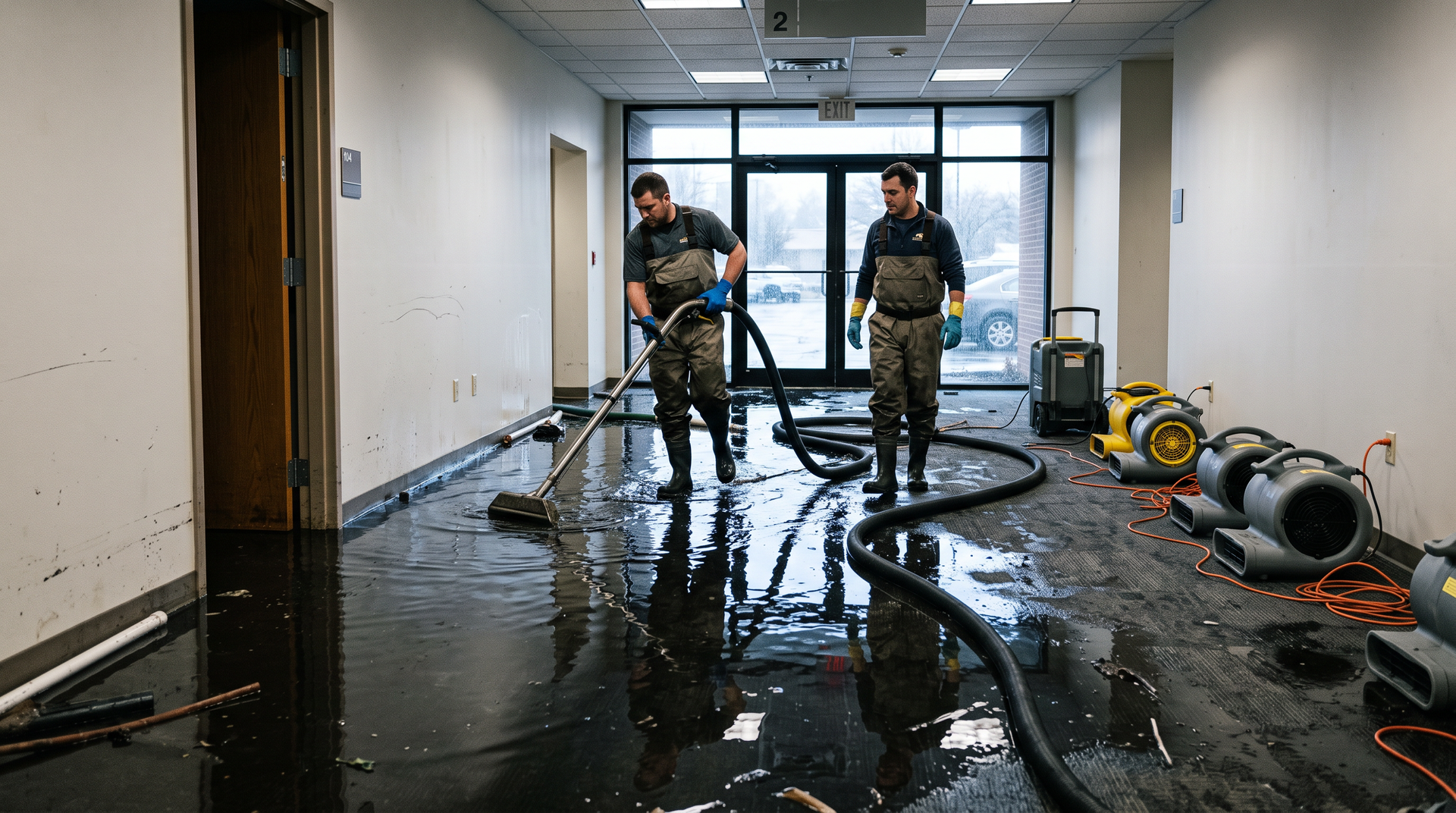

water damage floor clean up with driers and mold prevention
September 15, 2026
Commercial water damage in Athens, GA? Learn why the first 24 hours decide your restoration cost, plus leak detection, structural drying & mold prevention tips.
smoke odor removal Athens GA
September 3, 2026
Need smoke damage cleanup in Athens, GA? Learn what to do after a fire, how to avoid spreading soot, and when to call Victory RCS for professional smoke and odor cleanup.
August 27, 2026
Athens, Georgia, in July is not so much a city as a large, leafy sauna that happens to have a football stadium in it. The humidity here is so committed to its job that by mid-summer your house can sit above 70 percent relative humidity for weeks at a stretch, according to the fine climate scientists at Peak Restoration, who I assume measured this with actual instruments and not just by standing outside and going "yep, soggy." The University of Georgia Extension Office, meanwhile, says your indoor humidity should stay under 60 percent, ideally between 30 and 50. That gap — between what Georgia air wants to do and what your drywall can survive — is where mold moves in, and it does not pay rent. This is a problem for mold in Athens, GA homes , and it is sneaky, because unlike, say, a raccoon in your attic, mold does not make noise or leave little raccoon business cards. It just quietly colonizes your bathroom ceiling while you're at a Georgia game, cheering, oblivious, drinking a beverage that is 90 percent condensation itself. Why Athens Homes Are Basically a Mold Timeshare Mold has two demands, and Athens meets both of them enthusiastically: moisture, and something organic to eat. Your house, unfortunately, is a five-star buffet of organic material — drywall paper, wood trim, that one cardboard box of tax documents from 2019 you keep meaning to shred. Add in Georgia's summer thunderstorms, the crawl space nobody has visited since the Clinton administration, and an air conditioner that spends all August sweating out condensation like it just ran a 5K, and you have got yourself a mold incubator with a mailing address. The 60 percent humidity rule isn't a suggestion from people who enjoy nagging you; it's the line past which airborne mold spores stop window-shopping and start signing a lease. 
August 25, 2026
There you are, minding your own business at 3 a.m., dreaming a perfectly nice dream about, let's say, tacos, when you hear it: a sound like the ocean has decided to relocate into your hallway. You stumble out of bed, step onto what should be carpet and is now technically a wading pool, and realize that a pipe somewhere behind your wall has apparently been training for this moment its entire life. Congratulations. You are now the proud, damp owner of a water damage situation. Maybe your version involves a washing machine that quietly staged a mutiny, a toilet that overflowed with more enthusiasm than any toilet should ever have, or a roof that let a thunderstorm know your attic has an open-door policy. Doesn't matter. Water, it turns out, is sneaky. It looks like it's just sitting there on your kitchen floor, minding its own business, but really it is quietly infiltrating your drywall, your flooring, your insulation, your cabinets, and your subfloor like a tiny, wet special-ops team with zero respect for your homeowner's insurance policy. This guide will walk you through exactly what to do in those critical first hours, how professional water damage restoration actually works, what you need to document for your insurance company, and — this part is important — when you should absolutely not try to handle this yourself with a mop, a prayer, and a box fan from 1987. Because here's the thing nobody tells you at orientation for adulthood: mold doesn't wait around. Materials that stay wet for as little as 24 to 48 hours can start growing it, according to the EPA, which is a group of people whose entire job is knowing things like this so you don't have to find out the hard way. If your home has active flooding or visible water damage right now, stop reading and contact Victory RCS for prompt water damage restoration assistance. The rest of this you can read with a towel in hand. What Is Water Damage Restoration, Anyway? Water damage restoration is the technical, professional way of saying "returning your house to the condition it was in before it decided to become an indoor swimming facility." It sounds simple. It is not simple. It involves three distinct phases, none of which is "point a fan at it and hope": Mitigation — stopping the water source and hauling out the standing water before it invites more of its friends over. Remediation — dealing with contamination, lingering moisture, and the ever-present threat of mold setting up a colony in your baseboards. Restoration — actually repairing or rebuilding what got damaged: drywall, flooring, trim, cabinetry, your will to live. Here's the part that trips people up: just because the puddle is gone doesn't mean the water is gone. Moisture is a master of hide-and-seek. It can be lurking behind your baseboards, under your flooring, or inside your walls, patiently waiting to become a much bigger, much smellier problem. That's why professional restoration starts with a proper inspection and assessment — someone actually checking where the water went, not just where it was originally spotted crime-scene-style on your floor. The bottom line: what happens in the first few hours after water damage determines pretty much everything that happens afterward. This is not a "deal with it eventually" situation. This is a "deal with it right now while wearing pants you don't mind getting wet" situation. Common Causes of Water Damage (Or: How Did We Get Here?) Knowing where your water came from matters, because clean water from a supply line behaves very differently than water that has recently been in contact with, say, a sewer. Here are the usual suspects for residential water damage: Burst or frozen pipes (a Southern winter favorite) Plumbing supply-line leaks Water heater failures Washing machine, dishwasher, refrigerator, or toilet overflows Roof leaks and wind-driven rain Foundation seepage and basement flooding Storm flooding and sewer backups And if you're running a business, you get your own special lineup of villains: Sprinkler system malfunctions Leaking plumbing in multi-unit buildings Roof drainage failures Equipment or appliance leaks One important distinction worth remembering: there's a big difference between "relatively clean water from a supply line" and "water that has recently associated with sewage or floated in off the street." One of these you can approach with mild annoyance. The other you should approach with a hazmat mentality and zero DIY heroics. 
July 19, 2025
Let's talk about your carpet. I know, I know. You don't want to talk about your carpet. Nobody wakes up thinking, "Today feels like a carpet day." But your carpet has been putting up with an enormous amount of abuse — foot traffic, mystery spills, the dog's "incidents," the toddler's Cheeto archaeology — and it has never once complained. It just sits there, silently absorbing your household's chaos like a fibrous, wall-to-wall sponge of quiet suffering. At Victory RCS, we think about carpets more than is probably healthy for grown adults. But here's the thing: clean carpets aren't just about looking nice for the in-laws. They're about the actual health of your home. Dirty carpet holds onto dust, allergens, pet dander, and a shocking percentage of whatever your kids dragged in from outside, none of which you want to be breathing in on a daily basis. So let's walk through how to deal with stains, deep cleaning, and — the Mount Everest of household odor problems — pet accidents. Why Professional Carpet Cleaning Is Important (Or: Why Your Rental Steam Cleaner Is Not Fooling Anyone) Look, vacuuming is great. Vacuuming is a fine and noble activity, and I fully support it. But vacuuming only gets the dirt that is, essentially, standing on the surface waving a little flag. It does nothing for the dirt that has burrowed deep into your carpet fibers and set up a permanent residence, complete with a mailing address. This is where professional carpet cleaning comes in. At Victory RCS, our equipment gets the water hotter, the suction stronger, and the cleaning solutions considerably more aggressive than anything you can rent from a grocery store or order off the internet at 11 p.m. in a fit of desperation. We're also trained to avoid the classic do-it-yourself mistakes — over-wetting the carpet, mixing chemicals that were never meant to meet, or using the wrong process for the wrong fiber type, all of which can leave you with a carpet that looks worse than when you started, which is genuinely an impressive feat.  Yes, professional cleaning costs money. But so does replacing an entire carpet, which is what happens if you neglect it long enough. Professional cleaning extends the life of your carpet, improves your indoor air quality, and — this part is important — is often required to keep your carpet's manufacturer warranty valid. In other words, skipping it isn't just gross. It's expensive.
June 12, 2025
When fire damage hits your property, every minute counts in preventing further destruction and starting the fire damage repair process. I've seen firsthand how quick action and professional help can make the difference between saving or losing precious belongings and structural elements. Whether you're dealing with minor smoke damage or major structural issues, this guide will walk you through the essential steps of fire damage repair to get your property back to normal fast.  Fire Damage Repair: Steps to Rebuild and Restore Your Property Quickly Listen, dealing with fire damage is overwhelming - I get it. I've seen countless properties devastated by fire, and I know exactly what it takes to bring them back to life. Let me walk you through the exact process we use at Victory RCS to handle fire damage repair and restoration. The Reality of Fire Damage Fire doesn't just burn - it creates a complex web of damage. You're dealing with smoke, soot, water damage from firefighting efforts, and potential structural issues. Every hour that passes without proper intervention makes the damage worse. That's why you need to act fast, but smart.
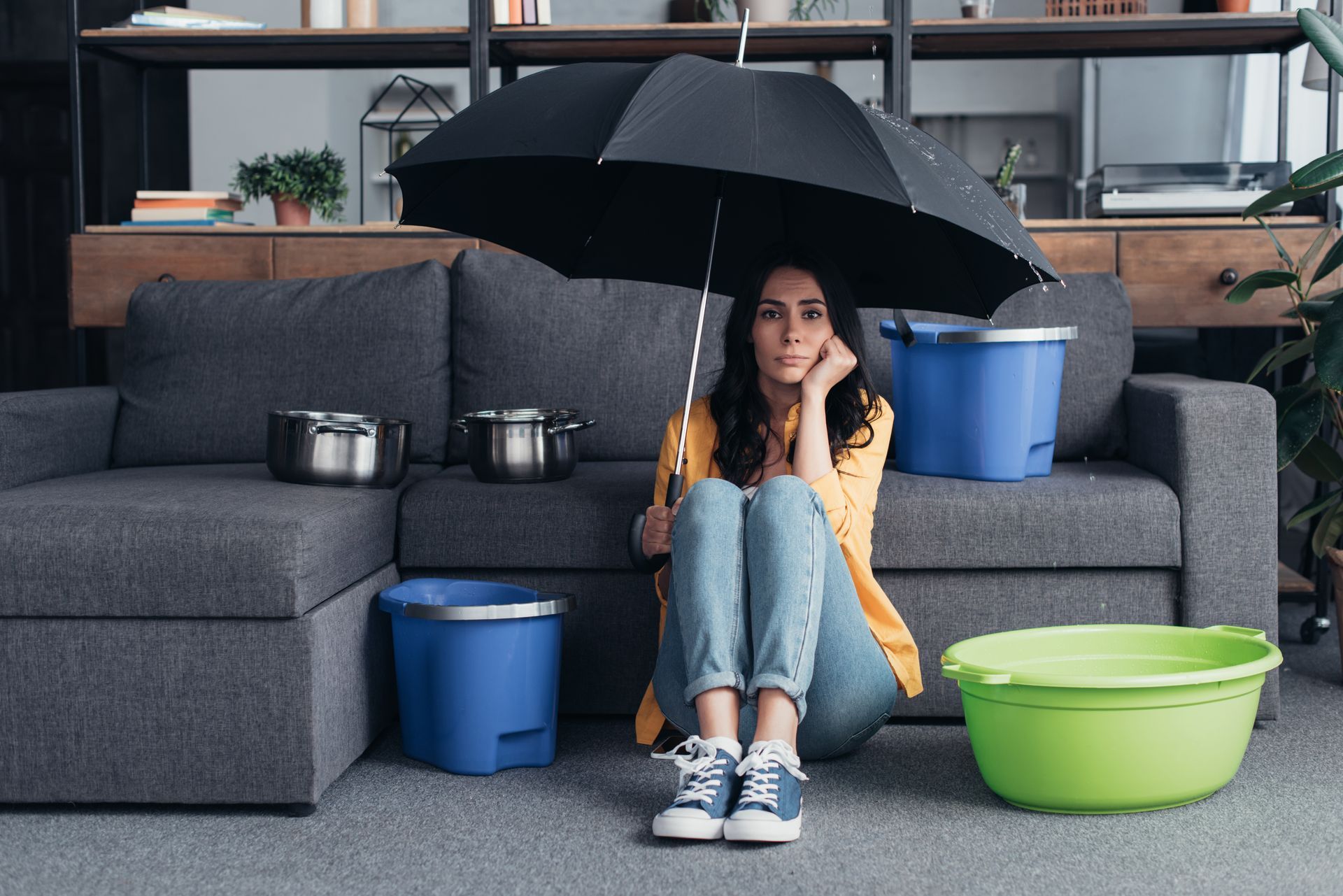
woman with umbrella leaking roof
April 12, 2025
When disaster strikes and water wreaks havoc in your home, professional water damage restoration becomes your lifeline to recovery. I've seen homes transformed from water-logged nightmares back to their former glory, and trust me, quick action makes all the difference. Whether you're dealing with a burst pipe or flood damage, understanding the water damage restoration process is crucial for protecting your biggest investment and getting your life back on track. The Ultimate Guide to Water Damage Restoration: Protecting Your Home After a Disaster Let me tell you straight - water damage is no joke. I've seen homes destroyed because homeowners waited too long to act. As a restoration expert at Victory RCS, I'll walk you through everything you need to know about water damage restoration. What Is Water Damage Restoration? Water damage restoration is the process of returning your property to its pre-loss condition after water damage occurs. Think burst pipes, flooding, or that washing machine that decided to flood your laundry room at 2 AM. I've handled thousands of these cases, and trust me, quick action makes all the difference.
March 29, 2025
Dealing with mold removal after disasters can feel overwhelming, especially when you're already coping with water damage aftermath. I've helped countless homeowners tackle this challenge, and today, I'm sharing the exact process that works. From safety gear to proper cleanup techniques, these expert tips will guide you through effective mold removal after water damage, helping you protect your home and family. How to Safely Remove Mold After Water Damage: Expert Tips for Homeowners I've spent years dealing with mold remediation after disasters, and I'll tell you exactly what works. Here's the deal: when water damage hits, mold can start growing within 24-48 hours. I've seen countless homes where small water issues turned into massive mold problems because homeowners waited too long. Let me walk you through the exact process we use at Victory RCS to handle mold safely and effectively. Step 1: Assess the Damage (Do This First) First thing I do on every job is grab my moisture meter. You'd be shocked how often mold hides behind seemingly dry walls. Here's what I check: - Wall moisture levels (anything above 20% needs attention) - Hidden spaces behind baseboards - Under carpets and padding - Inside wall cavities using specialized probes Pro tip : That musty smell? It's often your first warning sign of hidden mold. 
March 16, 2025
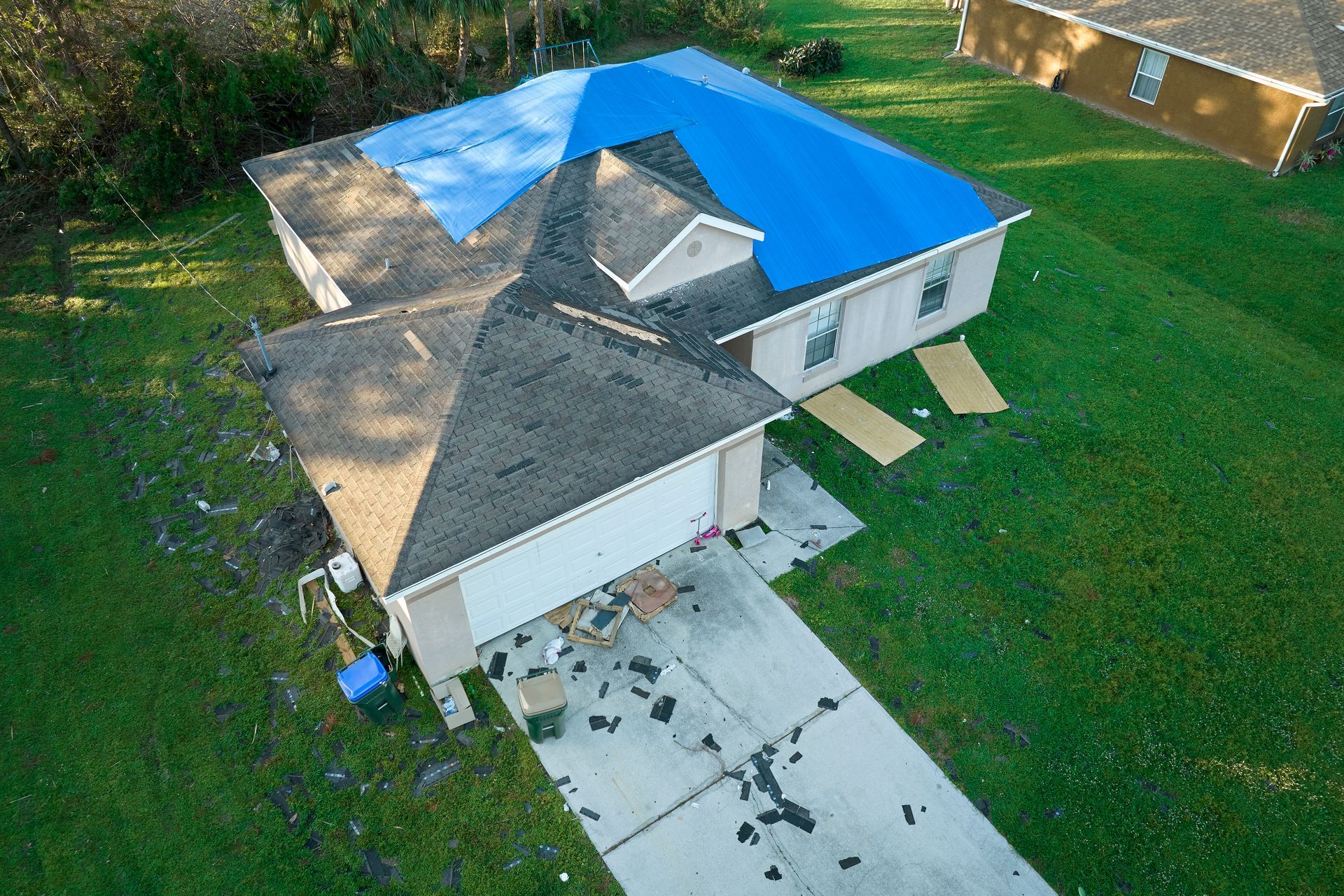
Dealing with different types of storm damage can turn your world upside down - trust me, I've been there. Whether it's a fierce hurricane, nasty hailstorm, or unexpected flood, knowing what you're up against is half the battle won. Let's dive into the most common types of storm damage you need to watch out for, so you can protect your home and keep your family safe.
February 1, 2025
Maintaining hardwood floors during winter doesn't have to be a headache - I've discovered some game-changing tricks that'll keep your floors looking fresh even when the weather's brutal. Let me share my top winter maintenance tips that'll help protect your hardwood floors during these cold months, saving you both stress and money.